Vascular surgery is a specialized medical field focused on diagnosing and treating conditions that affect the body's blood vessels, including arteries, veins, and the vascular system. Healthy blood circulation is essential for delivering oxygen and nutrients throughout the body, and problems with blood vessels can sometimes lead to serious complications if left untreated. One Stop Vascular provides specialized care for a wide range of vascular conditions, using both conventional surgical and minimally invasive endovascular approaches when appropriate.
From blocked arteries and aneurysms to varicose veins, dialysis access problems, and other vascular disorders, timely evaluation by a vascular specialist can help identify the right treatment approach.
In this guide, we explain what vascular surgery is, the conditions it treats, common procedures, potential benefits and risks, recovery, and when you should consider consulting a vascular surgeon.
What Is Vascular Surgery?
Vascular surgery is a medical specialty that focuses on diseases affecting blood vessels outside the heart and brain. Vascular surgeons diagnose and treat problems involving arteries and veins, as well as certain conditions involving the lymphatic system. Blood vessels can become narrowed, blocked, weakened, enlarged, or damaged due to conditions such as atherosclerosis, diabetes, high blood pressure, smoking, and other risk factors.
Depending on the condition, treatment may involve:
- Lifestyle changes and medical management
- Minimally invasive endovascular procedures
- Open vascular surgery
- A combination of treatment approaches
The goal is to improve blood flow, relieve symptoms, prevent complications, preserve limb function, and improve overall quality of life.
Why Is Vascular Surgery Important?
The circulatory system supplies oxygen and nutrients to tissues throughout the body. When blood flow is restricted, tissues may not receive enough oxygen.
Untreated vascular disease can sometimes result in complications such as:
- Chronic leg pain
- Non-healing wounds
- Skin and tissue damage
- Blood clots
- Limb-threatening ischemia
- Stroke
- Aneurysm rupture
- In severe cases, limb loss
Early diagnosis allows doctors to assess the severity of the condition and determine whether medical treatment, minimally invasive intervention, surgery, or monitoring is appropriate.
Conditions Treated by Vascular Surgeons
Vascular surgeons treat a broad range of arterial and venous conditions.
1. Peripheral Artery Disease (PAD)
Peripheral artery disease occurs when arteries that supply blood to the legs or arms become narrowed or blocked, commonly because of plaque buildup.
Common symptoms may include:
- Leg pain while walking
- Cramping or heaviness in the legs
- Cold feet
- Numbness or weakness
- Changes in skin color
- Slow-healing wounds
Depending on the severity, treatment may include medication and lifestyle changes or procedures such as angioplasty, stenting, or bypass surgery.
2. Varicose Veins and Chronic Venous Insufficiency
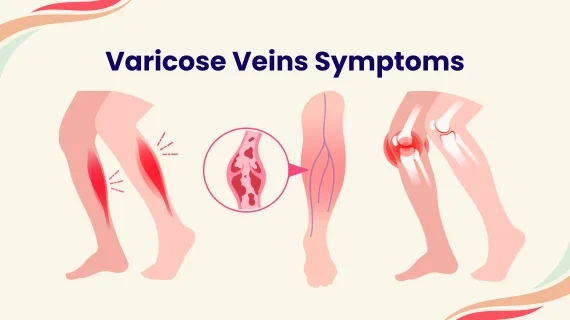
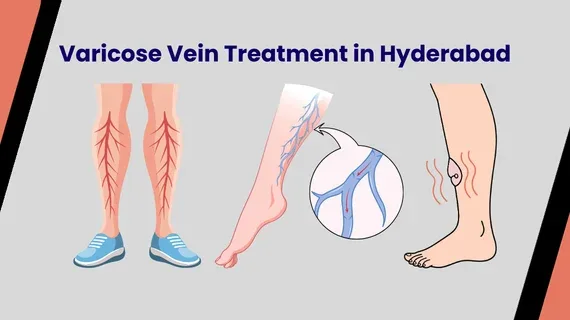
Varicose veins are enlarged, twisted veins that commonly develop in the legs. They may occur when the valves inside the veins do not work effectively, allowing blood to pool in the lower limbs.
Symptoms may include:
- Visible enlarged veins
- Leg swelling
- Aching or heaviness
- Burning or itching
- Skin changes
- Leg discomfort after prolonged standing
Treatment depends on the severity and may include lifestyle measures, compression therapy, minimally invasive procedures, or surgery in selected cases.
3. Aortic Aneurysm
An aneurysm occurs when part of a blood vessel becomes abnormally enlarged or weakened. Aortic aneurysms can occur in different sections of the aorta.
Some aneurysms may not cause symptoms and may be discovered during imaging performed for another reason. Larger or rapidly growing aneurysms may require closer monitoring or treatment.
Depending on the aneurysm's location and characteristics, treatment may involve open surgical repair or an endovascular procedure such as EVAR.
4. Carotid Artery Disease
Carotid arteries carry blood to the brain. Plaque buildup in these arteries can reduce blood flow and increase the risk of stroke.
Warning signs of a possible stroke can include:
- Sudden weakness or numbness
- Difficulty speaking
- Sudden vision problems
- Loss of balance
- Sudden severe neurological symptoms
Carotid artery disease requires medical evaluation, and treatment depends on the degree of narrowing, symptoms, and individual risk factors.
5. Deep Vein Thrombosis (DVT)
Deep vein thrombosis occurs when a blood clot develops in a deep vein, most commonly in the leg.
Possible symptoms include:
- Swelling in one leg
- Leg pain or tenderness
- Warmth
- Red or discolored skin
DVT requires prompt medical evaluation because a clot can sometimes travel to the lungs and cause a pulmonary embolism.
Treatment commonly involves anticoagulant medication. In selected severe cases, specialists may consider catheter-based interventions or other procedures.
6. Dialysis Access Problems
People receiving hemodialysis need reliable vascular access. Common types include arteriovenous fistulas and grafts.
Vascular surgeons may create, maintain, or repair dialysis access when problems such as narrowing, blockage, or reduced blood flow develop.
Maintaining functioning vascular access is important for effective dialysis treatment.
Types of Vascular Surgery
Vascular treatment can broadly be divided into open surgery and endovascular procedures.
Open Vascular Surgery
Open vascular surgery involves making an incision to access the affected blood vessel directly.
Common examples include:
- Bypass surgery
- Endarterectomy
- Open aneurysm repair
- Surgical repair of damaged blood vessels
Open surgery may be recommended when a patient's anatomy, disease severity, or other factors make it the most appropriate treatment option.
Endovascular Surgery
Endovascular procedures are minimally invasive treatments performed from inside the blood vessels.
A vascular specialist typically uses a catheter inserted through a blood vessel to reach the affected area.
Depending on the condition, the procedure may involve:
- Angioplasty
- Stent placement
- Catheter-based clot treatment
- Endovascular aneurysm repair
- Other image-guided interventions
These procedures may involve smaller incisions and can provide a shorter recovery period for appropriately selected patients.
Common Vascular Surgery Procedures
Angioplasty and Stenting
Angioplasty uses a small balloon to widen a narrowed blood vessel. A stent may sometimes be placed to help maintain blood flow.
Bypass Surgery
Bypass surgery creates an alternative route for blood flow around a blocked or severely narrowed artery.
Endarterectomy
An endarterectomy removes plaque from the inside of an artery. Carotid endarterectomy is one example used in selected patients with carotid artery disease.
Endovascular Aneurysm Repair (EVAR)
EVAR is a minimally invasive technique used to repair certain abdominal aortic aneurysms. A stent-graft is placed inside the blood vessel to help exclude the aneurysm from normal blood flow.
Dialysis Access Surgery
Vascular surgeons can create or repair an arteriovenous fistula or graft for patients who require hemodialysis.
When Should You See a Vascular Surgeon?
You should consider consulting a vascular specialist if you experience persistent or unexplained symptoms that could indicate a blood vessel problem.
These may include:
- Leg pain while walking that improves with rest
- Persistent leg swelling
- Non-healing wounds
- Recurrent leg ulcers
- Cold or numb feet
- Changes in skin color
- Enlarged or painful veins
- Sudden weakness or numbness
- Symptoms associated with known vascular disease
People with risk factors such as diabetes, smoking history, high blood pressure, high cholesterol, or a history of vascular disease may also benefit from appropriate vascular evaluation.
How Is Vascular Disease Diagnosed?
A vascular surgeon may use several diagnostic methods depending on the suspected condition.
These may include:
- Physical examination
- Doppler ultrasound
- Ankle-brachial index (ABI)
- CT angiography
- MR angiography
- Conventional angiography
- Other specialized vascular imaging
The appropriate test depends on the symptoms, suspected disease, medical history, and clinical examination.
Benefits of Vascular Surgery
When surgery or an endovascular procedure is appropriate, treatment may provide important benefits such as:
- Improved blood flow
- Reduction in vascular symptoms
- Improved walking ability
- Support for wound healing
- Reduced risk of certain complications
- Preservation of limb function in selected patients
- Improved quality of life
The expected benefits vary according to the vascular condition, treatment type, and individual patient factors.
Risks and Possible Complications
Like any medical procedure, vascular surgery can involve potential risks.
Depending on the procedure, possible complications may include:
- Bleeding
- Infection
- Blood clots
- Damage to blood vessels or nearby structures
- Reactions to anesthesia or medication
- Re-narrowing or blockage of a treated vessel
- Cardiovascular complications
The risks differ between procedures and patients. A vascular surgeon should explain the potential benefits, risks, alternatives, and expected recovery before treatment.
Recovery After Vascular Surgery
Recovery depends on the type of procedure, the patient's general health, and the severity of the underlying vascular condition.
Recovery After Open Surgery
Patients undergoing open vascular surgery may require:
- A longer hospital stay
- Wound care
- Pain management
- Gradual physical activity
- Follow-up appointments
- Rehabilitation when required
The surgical team will provide specific instructions regarding activity, medication, diet, and wound care.
Recovery After Endovascular Treatment
Minimally invasive procedures may allow some patients to return to normal activities sooner.
Recovery may involve:
- Monitoring the catheter insertion site
- Limiting strenuous activity for a specified period
- Taking prescribed medication
- Attending follow-up appointments
- Monitoring for new or worsening symptoms
Always follow the instructions provided by your treating vascular specialist.
Lifestyle Changes After Vascular Treatment
Treatment of vascular disease is not always the end of care. Long-term lifestyle management can help support vascular health.
Important measures may include:
Quit Smoking
Smoking damages blood vessels and significantly increases the risk of vascular disease. Quitting is one of the most important steps for improving cardiovascular and vascular health.
Exercise Regularly
Appropriate physical activity can support circulation and overall cardiovascular health. Patients should follow their doctor's recommendations regarding exercise after a procedure.
Manage Diabetes
Good blood sugar control is especially important for people with diabetes because uncontrolled diabetes can damage blood vessels and increase the risk of foot wounds and other complications.
Control Blood Pressure and Cholesterol
Following prescribed treatment and maintaining healthy blood pressure and cholesterol levels can help reduce cardiovascular and vascular risks.
Follow a Balanced Diet
A balanced diet rich in vegetables, fruits, whole grains, and other nutrient-dense foods can support overall cardiovascular health.
When Is Vascular Disease an Emergency?
Some vascular symptoms require immediate medical attention.
Seek emergency care for symptoms such as:
- Sudden loss of blood flow to a limb
- A suddenly cold, pale, or severely painful leg
- Sudden weakness or numbness
- Sudden difficulty speaking
- Sudden loss of vision
- Severe chest or abdominal pain associated with a known aneurysm
- Sudden shortness of breath or chest pain, especially with symptoms suggesting a blood clot
Prompt medical attention can be critical in vascular emergencies.
How to Choose a Vascular Surgeon
Choosing the right vascular specialist is an important healthcare decision.
Consider factors such as:
- Appropriate medical qualifications
- Experience treating your specific condition
- Availability of diagnostic services
- Access to surgical and endovascular treatment options
- Hospital and emergency support
- Clear communication about treatment choices
- Appropriate follow-up care
Patients should discuss their diagnosis, treatment options, potential risks, and expected recovery with a qualified vascular specialist.
Conclusion:
Vascular surgery plays an important role in diagnosing and treating diseases that affect the body's arteries and veins. Depending on the condition, treatment may involve medical management, minimally invasive endovascular procedures, open surgery, or a combination of approaches. Conditions such as peripheral artery disease, varicose veins, aneurysms, carotid artery disease, DVT, and dialysis access problems require appropriate evaluation to determine the most suitable treatment.
Recognizing symptoms early and seeking professional medical evaluation can help reduce the risk of serious complications. If you have persistent leg pain, swelling, non-healing wounds, circulation problems, or other symptoms associated with vascular disease, speak with a qualified vascular specialist.
Looking for Vascular Care in Hyderabad? One Stop Vascular provides specialized evaluation and treatment for a range of vascular conditions. Our team can assess your symptoms and help determine the appropriate treatment options based on your individual condition.
Book an appointment with One Stop Vascular today and take the next step toward better vascular health.