Treatment for Stroke Prevention in Hyderabad
Vascular FYI

Treatment for Stroke Prevention in Hyderabad

Stroke is a serious medical condition and one of the leading causes of death and long-term disability globally. According to the Indian Council of Medical Research, the prevalence of stroke has nearly doubled over the past two decades in India, affecting individuals of all age groups. In urban hubs like Hyderabad, where lifestyle changes and stress levels are contributing factors, stroke prevention has become a critical aspect of healthcare.

The good news is that 80% of strokes are preventable with timely interventions, proper medical guidance, and lifestyle adjustments. For individuals seeking expert care and advanced treatments, One Stop Vascular Solutions in Hyderabad provides comprehensive services tailored to individual risk factors. This blog serves as an in-depth guide on understanding stroke prevention and the available treatments to help reduce the risk effectively.

What is a Stroke? Why is Prevention Crucial?

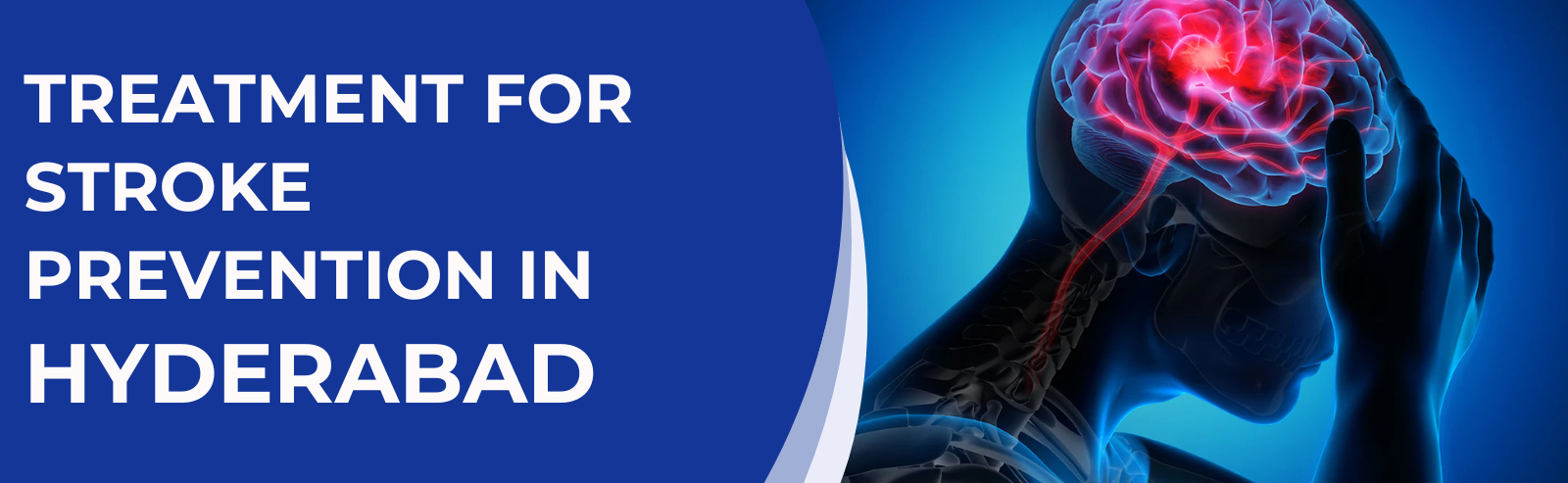
A stroke happens when blood flow to a part of the brain is interrupted, depriving brain cells of oxygen and nutrients. Without immediate intervention, this can lead to severe brain damage or even death. There are two main types of strokes: Ischemic Stroke (87% of all strokes, caused by blockages) and Hemorrhagic Stroke (caused by ruptured blood vessels).

Health Impact: Stroke is a leading cause of disability, often leaving individuals with impaired speech, memory, or motor function. Prevention can save lives and protect independence.
Economic Cost: Treating a stroke and managing post-stroke complications can be financially overwhelming. Prevention reduces the long-term financial burden.
Quality of Life: Preventing a stroke means avoiding the emotional and physical challenges associated with recovery.

Understanding Risk Factors for Stroke

1. Modifiable Risk Factors

High Blood Pressure (Hypertension): High blood pressure is the leading cause of stroke, making it essential to maintain readings below 120/80 mmHg.
Diabetes: Unmanaged diabetes can harm blood vessels and elevate the risk of stroke.
Atrial Fibrillation (AFib): This irregular heartbeat condition increases the likelihood of clot formation.
Smoking and Alcohol: Smoking damages blood vessels, while excessive alcohol consumption raises blood pressure.
Obesity and Physical Inactivity: Both are linked to conditions like hypertension and diabetes.

2. Non-Modifiable Risk Factors

Age: Stroke risk doubles every decade after 55.
Family History: Genetic predisposition plays a role.
Previous Stroke or TIA (Transient Ischemic Attack): Having had a stroke or TIA increases the risk of another.

Advanced Treatments for Stroke Prevention at One Stop Vascular Solutions

1. Carotid Artery Stenting: A tiny metal stent is placed in the carotid artery to widen it and restore blood flow. Minimally invasive and highly effective in preventing ischemic strokes.
2. Endarterectomy: A surgical approach to remove plaque from the artery walls. Best for patients with significant arterial narrowing (over 70%).
3. Anticoagulant and Antiplatelet Therapy: Prevents blood clots from forming using medications like Warfarin, Clopidogrel, and Aspirin.
4. Blood Pressure and Cholesterol Management: Combines medications (statins, antihypertensives) with dietary counseling.
5. Lifestyle Modification Programs: Tailored programs focusing on healthy eating, exercise, and smoking cessation to reduce risk factors naturally.

The Importance of Diagnostics in Stroke Prevention

Doppler Ultrasound: Non-invasive imaging to evaluate blood flow and detect blockages.
CT Angiography and MRI: High-resolution imaging of blood vessels to pinpoint abnormalities.
ECG and Holter Monitoring: Tracks heart rhythm to detect conditions like atrial fibrillation.
Blood Tests: Evaluates risk factors like high cholesterol, glucose levels, and inflammatory markers.

Tips for Reducing Stroke Risk

Monitor Your Health: Monitor your blood pressure, cholesterol, and blood sugar levels consistently. Schedule annual health screenings.
Adopt a Balanced Diet: Focus on whole grains, leafy greens, lean proteins, and nuts. Avoid trans fats, processed foods, and excessive sodium.
Stay Physically Active: Engage in at least 150 minutes of moderate exercise weekly. Incorporate activities like walking, swimming, or yoga.
Quit Smoking and Reduce Alcohol Intake: Smoking cessation significantly lowers stroke risk. Moderate alcohol consumption (if any).
Recognize Early Signs: Symptoms like sudden numbness, confusion, or difficulty speaking should prompt immediate medical attention.

Why Hyderabad Residents Trust One Stop Vascular Solutions

Expert Team: Led by top vascular surgeons with extensive experience.
Personalized Care: Treatments tailored to each patient’s health profile.
Advanced Facilities: Equipped with state-of-the-art technology for accurate diagnostics and minimally invasive procedures.
Patient Education: Empowering patients with knowledge to take proactive steps in their health journey.
GOT QUESTIONS?

Frequently Asked Questions

Which hospital is best for brain stroke in Hyderabad?

One Stop Vascular Solutions is a top choice for brain stroke care in Hyderabad. With expert vascular surgeons, advanced diagnostics, and treatments like carotid artery stenting and anticoagulant therapy, the hospital provides comprehensive, patient-centered care.

What is the best prevention for stroke?

How much does brain stroke treatment cost in Hyderabad?

Book An Appointment Today

Preventing a stroke is not just about medical treatments—it’s about a holistic approach that combines lifestyle changes, regular health monitoring, and expert care. For those in Hyderabad, One Stop Vascular Solutions offers world-class treatments and diagnostics tailored to individual needs. Don’t wait for warning signs. Visit One Stop Vascular Solutions today and take the first step toward a healthier, stroke-free future.