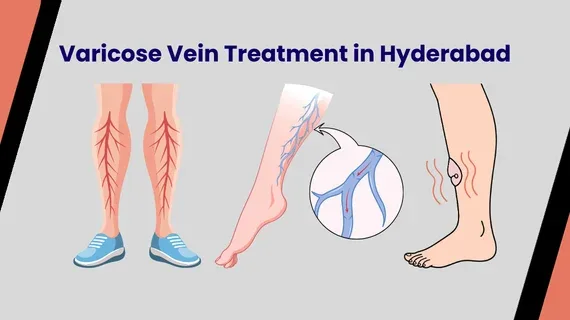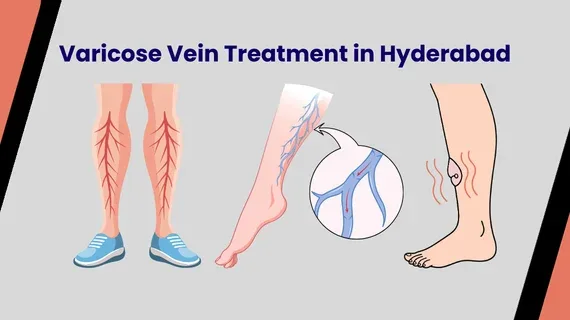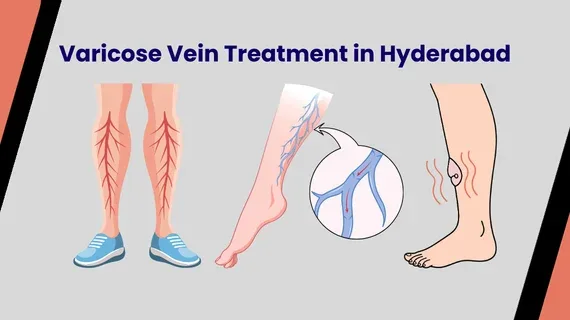
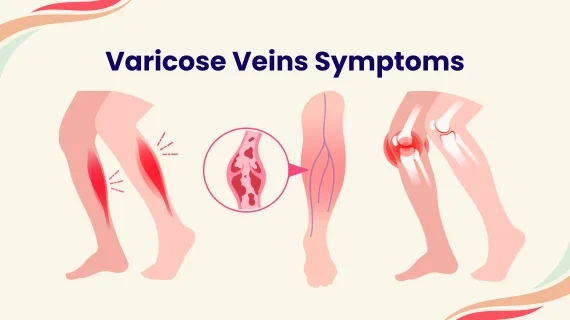
Varicose veins are enlarged, twisted or swollen veins that commonly appear on the legs. For some people, they are mainly a cosmetic concern, while others may experience aching, heaviness, swelling, itching or skin changes around the affected veins. Varicose veins develop when the valves inside the veins do not work properly, allowing blood to flow backward and collect in the veins. Early evaluation can help identify the underlying cause and determine whether lifestyle measures, compression therapy or a medical procedure may be appropriate.
With advances in vascular care, several minimally invasive treatment options are now available for people with symptomatic varicose veins. The appropriate treatment depends on the veins involved, symptoms, ultrasound findings and overall health.
What Are Varicose Veins?
Varicose veins are enlarged and twisted veins that are most commonly visible in the legs. Healthy leg veins contain one-way valves that help blood travel back toward the heart.
When these valves become weak or damaged, blood can flow backward, a condition known as venous reflux. This increases pressure within the veins and can cause them to become enlarged and visible beneath the skin.
Varicose veins can range from small visible veins to larger, bulging veins. Some people have no symptoms, while others may experience discomfort or complications.
What Causes Varicose Veins?
Several factors can increase the likelihood of developing varicose veins.
1. Weak or Damaged Vein Valves
When the valves inside the veins do not close properly, blood may flow backward and accumulate in the lower legs. This can increase pressure within the veins and contribute to their enlargement.
2. Age
The risk of varicose veins generally increases with age. Over time, vein walls can lose elasticity, and the valves may become less effective.
3. Family History
People with a family history of varicose veins may have a higher risk of developing the condition. Genetics can influence the strength and structure of veins and their valves.
4. Prolonged Standing or Sitting
Spending long periods standing or sitting can make it harder for blood to return efficiently from the legs to the heart. Occupations involving prolonged periods in one position may therefore contribute to symptoms.
5. Pregnancy
Pregnancy can increase blood volume and place additional pressure on the veins in the pelvis and legs. Hormonal changes may also affect vein walls.
6. Excess Weight
Being overweight can increase pressure on the veins of the legs and may contribute to venous circulation problems.
Symptoms of Varicose Veins
The appearance and severity of varicose veins can vary from person to person.
Common symptoms may include:
- Enlarged or twisted veins
- Aching or discomfort in the legs
- A feeling of heaviness or tiredness
- Leg swelling, particularly around the ankles
- Burning or throbbing sensations
- Muscle cramps
- Itching around affected veins
- Skin colour changes
- Symptoms that become worse after prolonged standing or sitting
Some people may have visible varicose veins without experiencing significant symptoms.
Warning Signs That Need Medical Attention
Varicose veins should not always be considered a cosmetic problem. Seek medical evaluation if you develop:
- Persistent or worsening leg pain
- Significant swelling
- Skin colour or texture changes
- Non-healing wounds or ulcers
- Bleeding from a varicose vein
- A vein that becomes hard, red or painful
- Sudden swelling or pain in one leg
Sudden leg swelling or pain can have causes other than varicose veins and may require prompt medical assessment.
Why Early Evaluation of Varicose Veins Matters
Not every person with varicose veins requires a procedure. However, persistent symptoms or skin changes should be evaluated by a qualified vascular specialist.
If venous disease progresses, some people may develop complications such as:
- Chronic venous insufficiency
- Skin changes
- Venous ulcers
- Superficial vein inflammation or thrombosis
- Bleeding from varicose veins
Early assessment can help identify the underlying venous problem and determine an appropriate management plan.
How Are Varicose Veins Diagnosed?
A vascular specialist usually begins with a medical history and physical examination.
Depending on the symptoms and clinical findings, a duplex Doppler ultrasound may be recommended.
This non-invasive test can help evaluate:
- Blood flow through the veins
- Direction of blood flow
- Venous reflux
- The condition of the deeper veins
- The location and extent of venous disease
The results can help the specialist determine whether conservative management or an intervention may be appropriate.
Varicose Vein Treatment Options
There is no single treatment that is suitable for everyone. Treatment is selected according to the patient's symptoms, vein anatomy, ultrasound findings and overall health.
1. Lifestyle Changes and Home Measures
For people with mild symptoms, lifestyle measures may help reduce discomfort and support healthy circulation.
These may include:
- Regular walking or other appropriate physical activity
- Avoiding prolonged standing or sitting
- Elevating the legs when appropriate
- Maintaining a healthy weight
- Following medical advice regarding compression stockings
These measures may help control symptoms, but they do not necessarily eliminate existing varicose veins.
2. Compression Therapy
Compression stockings apply graduated pressure to the legs and may help improve venous blood flow and reduce swelling or discomfort.
They may be recommended for symptom management or in certain situations before or after a procedure.
The type and strength of compression should be selected according to medical advice, particularly for people who may also have arterial circulation problems.
3. Sclerotherapy
Sclerotherapy involves injecting a medication into selected veins to cause them to close and gradually become less visible.
It may be used for certain smaller varicose veins or spider veins.
Potential advantages include:
- No surgical incision
- Generally performed as an outpatient procedure
- Limited downtime in many cases
The suitability of sclerotherapy depends on the size and type of vein being treated.
4. Surface Laser Treatment
Surface laser treatment uses focused laser energy to target certain small superficial veins.
It may be considered for selected spider veins and small visible veins. It is different from endovenous laser treatment, which is used to treat certain larger abnormal veins beneath the skin.
5. Endovenous Laser Treatment (EVLT/EVLA)
Endovenous laser treatment uses laser energy delivered through a thin catheter to close a diseased vein.
The procedure is minimally invasive and is commonly performed using local anaesthesia or another appropriate form of anaesthesia based on the clinical situation.
Potential benefits may include:
- Small access point rather than a large surgical incision
- Outpatient treatment in many cases
- Relatively short recovery compared with traditional vein surgery
- Treatment of the underlying abnormal vein
Walking and returning to normal activities are often encouraged after the procedure, but recovery recommendations vary between patients.
6. Radiofrequency Ablation (RFA)
Radiofrequency ablation uses controlled radiofrequency energy to heat and close the affected vein.
Like endovenous laser treatment, RFA is a minimally invasive technique used for selected patients with venous reflux.
Potential advantages include:
- Small access point
- Usually outpatient treatment
- Less invasive than traditional vein stripping
- Relatively quick recovery for many patients
A vascular specialist can determine whether RFA or another treatment is appropriate based on ultrasound findings.
7. VenaSeal™ Medical Adhesive
VenaSeal™ is a treatment that uses a medical adhesive to close a selected diseased vein.
Because it does not use thermal energy to close the vein, it differs from laser and radiofrequency procedures.
Whether VenaSeal is appropriate depends on individual anatomy, the veins involved and the specialist's assessment.
8. Surgical Treatment
Traditional procedures such as vein ligation or stripping may still have a role in selected patients, although minimally invasive techniques are commonly used for many cases of superficial venous reflux.
The treatment approach should be individualized after appropriate clinical assessment and imaging.
Which Varicose Vein Treatment Is Best for You?
There is no universally best treatment for varicose veins.
The most appropriate option may depend on:
- The size and location of the affected veins
- Severity of venous reflux
- Symptoms
- Ultrasound findings
- Previous treatments
- Medical history
- Lifestyle and work requirements
- Individual treatment preferences
A vascular specialist can assess these factors and explain the available options.
Recovery and Aftercare
Recovery depends on the treatment performed and the individual's health.
After minimally invasive procedures, patients may often be encouraged to walk and gradually return to normal activities according to their doctor's instructions.
Depending on the procedure, aftercare may include:
- Walking regularly
- Taking prescribed medications as directed
- Wearing compression garments if recommended
- Avoiding strenuous activities for the period advised by the doctor
- Keeping follow-up appointments
- Watching for unusual pain, swelling, bleeding or other symptoms
Always follow the specific instructions provided by your treating specialist.
Can Varicose Veins Come Back After Treatment?
Treatment can successfully close or remove the targeted abnormal vein, but it does not prevent new veins from becoming abnormal in the future.
New varicose veins may develop because venous disease can affect other veins over time.
Maintaining a healthy weight, staying physically active, avoiding prolonged periods of inactivity and attending recommended follow-ups may help support long-term vein health.
When Should You See a Vascular Specialist?
Consider consulting a vascular specialist if you have:
- Persistent leg pain or heaviness
- Recurrent leg swelling
- Bulging or twisted veins
- Itching or skin changes around the veins
- Non-healing wounds
- Bleeding from a varicose vein
- Symptoms that are affecting your daily activities
A specialist can determine whether your symptoms are related to venous disease and whether further testing, such as a duplex ultrasound, is necessary.
Varicose Vein Treatment in Hyderabad
If you are experiencing persistent leg pain, swelling, visible varicose veins or skin changes, a vascular evaluation can help identify the underlying problem. At One Stop Vascular, patients in Hyderabad can seek evaluation and treatment for a range of vascular conditions. Depending on the diagnosis, treatment may include conservative management or minimally invasive procedures such as endovenous treatments.
If you are looking for varicose vein treatment in Hyderabad, speak with a qualified vascular specialist to understand which treatment options may be appropriate for your condition.
Final Thoughts:
Varicose veins are common and can range from a cosmetic concern to a condition associated with significant symptoms and complications. Modern vascular care offers several treatment approaches, including lifestyle management, compression therapy, sclerotherapy and minimally invasive procedures such as endovenous laser treatment and radiofrequency ablation. The right treatment depends on the individual and should be selected after proper clinical assessment and, when indicated, duplex ultrasound.
Get Expert Care for Varicose Veins in Hyderabad
If you are experiencing persistent leg pain, swelling, visible veins or skin changes, consider consulting a qualified vascular specialist for an evaluation and personalized treatment plan.
Looking for varicose vein treatment in Hyderabad? Contact OneStop Vascular to discuss your symptoms and available treatment options.
Book Your Consultation Today and take the first step toward healthier legs and better mobility.