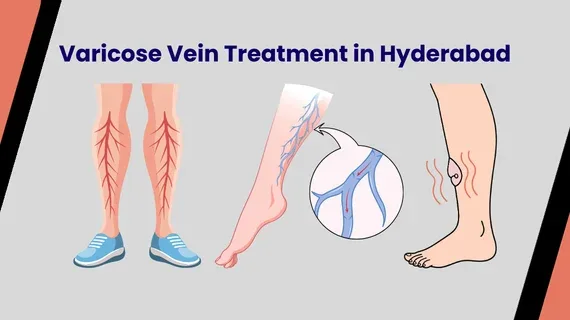
Varicose veins are enlarged, twisted veins that commonly appear on the legs. They may look like a cosmetic concern at first, but for some people they can cause aching, heaviness, swelling, itching, skin changes, or other discomfort. Understanding the condition early can help you seek appropriate medical evaluation and treatment. If you are looking for varicose vein treatment in Hyderabad, the first step is to understand why varicose veins develop and which treatment options may be suitable for your condition. A vascular specialist can evaluate the affected veins and recommend a treatment plan based on your symptoms, vein structure, and overall health.
At One Stop Vascular, patients can receive specialized evaluation and treatment for a range of vascular conditions, including varicose veins.
What Are Varicose Veins?
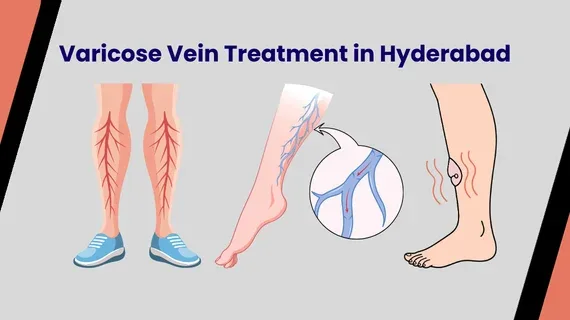
Veins in the legs carry blood back toward the heart. Inside many leg veins are small valves that help prevent blood from flowing backward.
When these valves become weak or do not function properly, blood can accumulate in the veins. Increased pressure may cause the veins to become enlarged, twisted, and more visible beneath the skin. These are known as varicose veins.
They most commonly develop in the legs because standing and walking can increase pressure within the veins.
Not everyone with visible varicose veins requires a procedure. However, symptoms or changes in the skin should be evaluated by a qualified vascular specialist.
What Causes Varicose Veins?
Several factors can increase the likelihood of developing varicose veins.
Family History
A family history of varicose veins may increase your risk. Some people may have inherited a tendency toward weaker vein walls or valves.
Age
As people get older, the veins and their valves may gradually lose elasticity and efficiency. This can contribute to blood pooling in the legs.
Pregnancy
Pregnancy increases blood volume and places additional pressure on the veins. Hormonal changes may also affect the vein walls, making varicose veins more likely.
Prolonged Standing or Sitting
Spending long periods on your feet or sitting without moving can affect normal blood circulation and increase pressure in the leg veins.
Excess Weight
Additional body weight can increase pressure on the veins of the lower limbs and may contribute to venous problems.
Limited Physical Activity
Regular movement helps the calf muscles support blood flow from the legs toward the heart. A sedentary lifestyle may contribute to poor venous circulation.
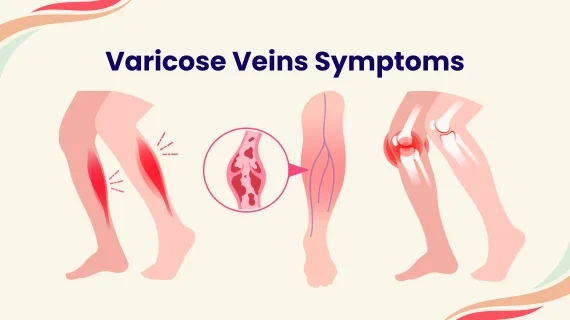
Common Symptoms of Varicose Veins
The appearance of enlarged veins is not the only sign of the condition. Some people experience symptoms that become more noticeable toward the end of the day.
Common symptoms include:
- Enlarged or twisted veins visible under the skin
- Aching or discomfort in the legs
- A feeling of heaviness or tiredness
- Leg swelling, particularly around the ankles
- Itching around affected veins
- Burning or throbbing sensations
- Muscle cramps, especially at night
- Skin discoloration around the lower leg
- Changes in the skin near the ankle
Symptoms can vary considerably from one person to another.
If leg swelling, pain, skin changes, or other symptoms persist, a vascular evaluation can help identify the underlying cause.
When Should You See a Vascular Specialist?
You may consider consulting a vascular specialist if you notice:
- Veins that are becoming increasingly prominent
- Persistent leg pain or heaviness
- Recurrent swelling in the legs
- Skin discoloration around the ankles
- Changes in the texture of the skin
- Non-healing wounds around the lower leg
- Bleeding from a varicose vein
- Symptoms that interfere with walking, work, sleep, or daily activities
A specialist can determine whether your symptoms are related to varicose veins or another vascular condition.
How Are Varicose Veins Diagnosed?
A proper diagnosis is important before selecting treatment.
Physical Examination
A vascular specialist may examine your legs while you are standing or sitting and assess visible veins, swelling, skin changes, and other symptoms.
Doppler or Duplex Ultrasound
A duplex ultrasound is commonly used to examine blood flow through the veins. It can help identify problems with venous valves and determine whether blood is flowing backward, a condition known as venous reflux.
The ultrasound findings can help the specialist understand which veins are affected and whether treatment is appropriate.
Varicose Vein Treatment Options in Hyderabad
Treatment depends on the severity of the condition, symptoms, ultrasound findings, and individual patient factors.
There is no single treatment that is appropriate for every person.
1. Lifestyle Measures
For people with mild symptoms, lifestyle measures may help manage discomfort and support better circulation.
These may include:
- Walking and regular physical activity
- Avoiding long periods of standing or sitting
- Elevating the legs when resting
- Maintaining a healthy body weight
- Following medical advice regarding compression stockings
Lifestyle measures can help with symptoms, but they do not necessarily eliminate an underlying faulty vein.
2. Compression Therapy
Compression stockings apply controlled pressure to the legs and may help improve venous blood flow and reduce symptoms such as swelling and heaviness.
The type and compression level should be selected according to medical advice, particularly if you have other circulation problems.
3. Sclerotherapy
Sclerotherapy is a minimally invasive procedure commonly used for certain smaller varicose or spider veins.
During the procedure, a medication is injected into the targeted vein. The treated vein gradually closes, and blood is redirected through healthier veins.
Whether sclerotherapy is suitable depends on the size and location of the affected veins and the findings from the vascular assessment.
4. Endovenous Laser Treatment
Endovenous laser treatment uses laser energy to close an abnormal vein from inside.
A thin catheter or fiber is introduced into the affected vein under imaging guidance. Laser energy is then used to seal the vein.
Because the procedure is minimally invasive, recovery is generally shorter than traditional vein-stripping surgery for appropriately selected patients.
5. Radiofrequency Ablation
Radiofrequency ablation uses controlled radiofrequency energy to heat and close the problematic vein.
Like endovenous laser treatment, it is a minimally invasive approach that may be considered when an ultrasound examination identifies suitable venous reflux.
6. Ambulatory Phlebectomy
Ambulatory phlebectomy may be used to remove certain visible surface varicose veins through very small skin openings.
It can sometimes be performed along with treatment of an underlying abnormal vein.
7. Surgical Treatment
Traditional surgical procedures may still have a role in selected cases, particularly when minimally invasive treatments are not appropriate.
Your vascular specialist can explain whether surgery or another treatment method is suitable based on your individual condition.
How Do Doctors Choose the Right Treatment?
Choosing a treatment should not be based only on how visible the veins appear.
A vascular specialist may consider:
- Your symptoms
- Duration of the condition
- Physical examination findings
- Duplex ultrasound results
- The location and size of affected veins
- Venous reflux
- Previous treatments
- Your general health
- Your expectations and treatment goals
This personalized approach helps ensure that the treatment addresses the underlying venous problem rather than only its visible appearance.
Recovery After Varicose Vein Treatment
Recovery varies depending on the procedure performed.
Many minimally invasive procedures allow patients to return to normal activities relatively quickly, although individual recovery times can differ.
Your doctor may recommend:
- Walking regularly after treatment
- Wearing compression garments when advised
- Keeping follow-up appointments
- Avoiding strenuous activity for a specified period
- Monitoring the treated area
- Following all post-procedure instructions
Always follow the recovery instructions provided by your treating specialist.
Can Varicose Veins Come Back?
Treatment can successfully close or remove problematic veins, but it does not guarantee that new varicose veins will never develop.
The underlying tendency toward venous disease can remain. New vein problems may develop over time depending on factors such as genetics, age, pregnancy, weight, lifestyle, and the progression of venous disease.
Regular movement, maintaining a healthy weight, and following your specialist's recommendations can support long-term vein health.
How to Support Healthy Leg Veins
While some risk factors cannot be controlled, several habits can support healthy circulation.
Stay Physically Active
Walking and other appropriate forms of exercise can encourage healthy blood flow through the legs.
Avoid Staying in One Position for Too Long
If your work requires prolonged sitting or standing, take regular movement breaks when possible.
Maintain a Healthy Weight
A healthy body weight can reduce additional pressure on the lower-limb venous system.
Elevate Your Legs
When resting, elevating your legs may help reduce swelling and discomfort.
Follow Medical Advice
If you have diagnosed venous disease, follow the treatment and follow-up recommendations provided by your vascular specialist.
Why Consider Professional Varicose Vein Treatment in Hyderabad?
Hyderabad has specialized healthcare facilities where patients can undergo vascular evaluation and receive different treatment options depending on their condition.
When choosing a vascular center, consider:
- Qualified vascular specialists
- Appropriate diagnostic facilities
- Availability of minimally invasive treatment options
- Clear explanation of treatment choices
- Personalized treatment planning
- Proper follow-up care
- Experience in managing different vascular conditions
The most important consideration is not simply choosing the most advanced-sounding procedure, but choosing an appropriate treatment based on proper clinical evaluation.
Why Choose One Stop Vascular?
At One Stop Vascular, patients can seek specialized care for vascular conditions affecting the veins and arteries. The evaluation process focuses on understanding the patient's symptoms, identifying the underlying vascular problem, and discussing appropriate treatment options.
For patients experiencing visible varicose veins, leg swelling, heaviness, pain, or other persistent symptoms, professional evaluation can help determine whether treatment is required and which approach may be appropriate.
Conclusion:
Varicose veins can range from a visible cosmetic concern to a condition associated with significant discomfort and changes in the skin and lower legs. Understanding the symptoms and obtaining an appropriate vascular evaluation are important steps toward effective management. If you are searching for varicose vein treatment in Hyderabad, avoid choosing a procedure based only on advertisements or online claims.
A vascular specialist can assess your veins, perform appropriate diagnostic testing, and recommend a treatment plan suited to your condition. If you are experiencing persistent leg pain, swelling, heaviness, visible varicose veins, or skin changes, consider consulting a qualified vascular specialist for an evaluation.
Looking for specialized vascular care in Hyderabad? Contact One Stop Vascular to discuss your symptoms and explore appropriate treatment options.