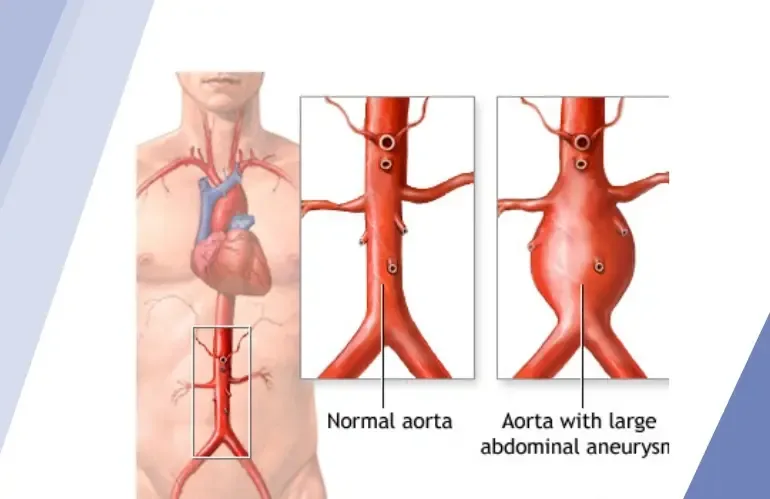
An aortic aneurysm is a serious vascular condition that develops when a weakened area of the aorta, the body's largest artery, bulges or enlarges. Because the aorta carries blood from the heart to the rest of the body, an aneurysm can become dangerous if it grows significantly or ruptures.
Aortic aneurysms can develop in different parts of the aorta and may remain unnoticed for a long time because many people do not experience symptoms in the early stages. Early diagnosis, regular monitoring, and appropriate treatment can help reduce the risk of serious complications.
At One Stop Vascular Solutions in Hyderabad, patients can receive evaluation and treatment for various vascular conditions, including aortic aneurysms, with care provided by experienced vascular specialists.
What Is an Aortic Aneurysm?
An aortic aneurysm occurs when part of the wall of the aorta becomes weakened and begins to bulge outward. The enlargement may develop slowly over time.
Aneurysms can occur in different sections of the aorta. The two major types include:
Abdominal Aortic Aneurysm
An abdominal aortic aneurysm (AAA) develops in the portion of the aorta that passes through the abdomen. It may not cause noticeable symptoms until it becomes large or develops complications.
Thoracic Aortic Aneurysm
A thoracic aortic aneurysm (TAA) develops in the part of the aorta located inside the chest. Depending on its size and location, it may affect nearby structures and cause symptoms such as chest discomfort, breathing difficulties, or voice changes.
Some aneurysms may also involve more than one section of the aorta.
What Causes an Aortic Aneurysm?
The exact cause of an aortic aneurysm can vary from person to person. Several factors may weaken the aortic wall and increase the likelihood of aneurysm development.
Common risk factors include:
Atherosclerosis
Atherosclerosis occurs when plaque builds up inside the arteries. Long-term damage to the arterial wall may contribute to weakening of the aorta.
High Blood Pressure
Persistent high blood pressure places additional stress on the walls of blood vessels. Uncontrolled hypertension may increase the risk of an aneurysm enlarging or developing complications.
Smoking
Smoking is an important risk factor for aortic aneurysm development and progression. Tobacco exposure can damage blood vessels and contribute to vascular disease.
Age
Aortic aneurysms are more commonly diagnosed in older adults, particularly when other cardiovascular risk factors are present.
Family History and Genetic Conditions
A family history of aortic aneurysm may increase an individual's risk. Certain inherited connective tissue disorders, including Marfan syndrome and Ehlers-Danlos syndrome, can also affect the strength of the aortic wall.
Other Vascular Risk Factors
Conditions such as high cholesterol and other forms of cardiovascular disease may also contribute to overall vascular risk.
Aortic Aneurysm Symptoms
Many aortic aneurysms develop without obvious symptoms, especially during the early stages. Some are discovered incidentally during imaging tests performed for another medical reason.
When symptoms do occur, they may depend on the aneurysm's location and size.
Possible symptoms include:
- Persistent abdominal pain
- Back pain
- Chest discomfort or pain
- A pulsating sensation or mass in the abdomen
- Shortness of breath
- Difficulty breathing
- Hoarseness or changes in voice
- Difficulty swallowing in some cases
Symptoms should not be ignored, particularly in individuals who have known cardiovascular risk factors.
Symptoms of a Ruptured Aortic Aneurysm
A ruptured aortic aneurysm is a medical emergency. A rupture can cause severe internal bleeding and requires immediate emergency medical attention.
Warning signs can include:
- Sudden and severe abdominal, chest, or back pain
- Dizziness or fainting
- Rapid heartbeat
- Weakness
- Low blood pressure
- Loss of consciousness
If someone develops sudden, severe symptoms suggestive of an aortic aneurysm rupture, emergency medical care should be sought immediately.
How Is an Aortic Aneurysm Diagnosed?
Diagnosis depends on the location and suspected size of the aneurysm. A doctor may recommend imaging tests to examine the aorta and assess its condition.
Common diagnostic methods include:
Ultrasound
Ultrasound is commonly used to examine the abdominal aorta and may help identify an abdominal aortic aneurysm.
CT Scan
A CT scan can provide detailed images of the aorta and surrounding structures. It may be used to determine the aneurysm's location, size, and anatomy.
MRI
MRI can provide detailed images of blood vessels without using ionizing radiation and may be appropriate in selected cases.
The vascular specialist will determine which imaging test is most appropriate based on the patient's symptoms, medical history, and suspected condition.
Aortic Aneurysm Treatment
Treatment depends on several factors, including the aneurysm's size, location, growth pattern, symptoms, overall health, and risk of complications.
1. Regular Monitoring
Small aneurysms that are not causing symptoms may sometimes be monitored with periodic imaging.
The purpose of monitoring is to identify changes in aneurysm size or growth over time and determine whether treatment becomes necessary.
2. Managing Blood Pressure and Cholesterol
Doctors may recommend medications and lifestyle changes to help control cardiovascular risk factors.
Managing blood pressure, cholesterol, diabetes, and other vascular risk factors can be an important part of overall care.
3. Endovascular Aneurysm Repair
Endovascular aneurysm repair (EVAR) is a minimally invasive treatment used for selected abdominal aortic aneurysms.
During the procedure, a stent graft is guided through the blood vessels and positioned inside the aorta to reinforce the weakened section and redirect blood flow.
Whether EVAR is appropriate depends on the aneurysm's anatomy and the patient's overall health.
4. Open Surgical Repair
Open repair is a traditional surgical approach in which the affected section of the aorta is repaired or replaced using a surgical graft.
The choice between open surgery and an endovascular approach depends on the aneurysm and individual patient factors.
When Does an Aortic Aneurysm Need Treatment?
Not every aneurysm requires immediate surgery. Some may be safely monitored, while others may require intervention because of factors such as:
- Increasing aneurysm size
- Rapid growth
- Symptoms
- Location of the aneurysm
- Changes in the aneurysm wall
- Risk of rupture
- The patient's overall health
A vascular surgeon can evaluate these factors and recommend an appropriate management plan.
Can Aortic Aneurysms Be Prevented?
Not every aortic aneurysm can be prevented, particularly when genetic or family-related factors are involved. However, reducing vascular risk factors can support overall cardiovascular health.
Helpful measures may include:
- Avoiding smoking and tobacco products
- Maintaining healthy blood pressure
- Managing cholesterol
- Controlling diabetes
- Maintaining a healthy weight
- Following an appropriate exercise plan
- Attending recommended medical check-ups
- Discussing family history with your doctor
People with significant risk factors may benefit from appropriate screening or imaging based on their doctor's recommendations.
Aortic Aneurysm Treatment in Hyderabad
If you have been diagnosed with an aortic aneurysm or have symptoms that require vascular evaluation, consulting an experienced vascular specialist is important.
One Stop Vascular Solutions in Hyderabad provides vascular evaluation and treatment for a range of arterial and venous conditions. The medical team can assess the patient's condition, review relevant imaging, and discuss appropriate treatment options based on individual requirements.
Early evaluation can help identify vascular problems and support timely management when treatment is necessary.
Conclusion
An aortic aneurysm can develop silently, making awareness and appropriate medical evaluation important, particularly for people with risk factors such as smoking, high blood pressure, advanced age, atherosclerosis, or a family history of aneurysms.
Diagnosis may involve imaging such as ultrasound, CT, or MRI. Depending on the aneurysm's characteristics, management may include regular monitoring, medical risk-factor management, endovascular repair, or open surgery.
If you are looking for aortic aneurysm evaluation or vascular care in Hyderabad, consult a qualified vascular specialist to understand your condition and available treatment options.
Get Expert Aortic Aneurysm Care in Hyderabad
Have you been diagnosed with an aortic aneurysm or experiencing concerning symptoms? Early evaluation can help identify the right treatment approach. Consult the vascular specialists at One Stop Vascular Solutions, Hyderabad for expert evaluation, diagnosis, and personalized treatment options.
Book a Vascular Consultation Today