Angiography: Comprehensive Guide for Diagnosis and Interventions in Vascular Surgery
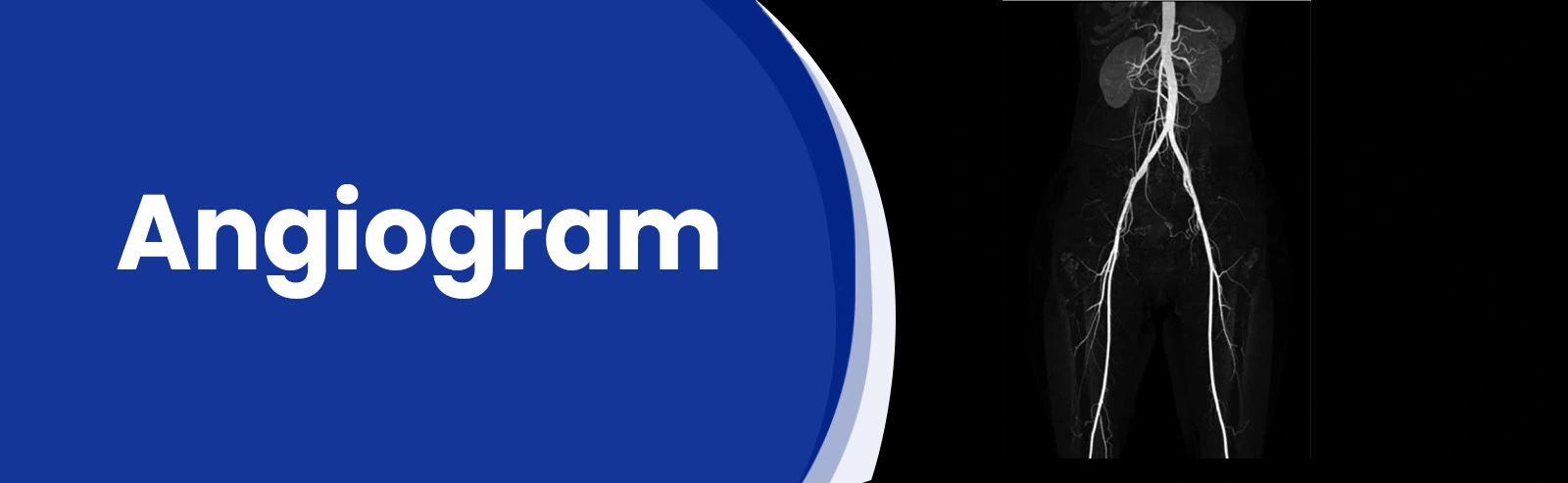
Angiography is a crucial diagnostic and interventional tool in vascular surgery, providing detailed images of blood vessels to diagnose and treat various vascular conditions. This page explores different types of the best angiography treatment, including conventional angiography, CT angiography, MR angiography, and intravascular ultrasound (IVUS), and their roles in vascular surgery.
Conventional Angiography
What is Conventional Angiography?
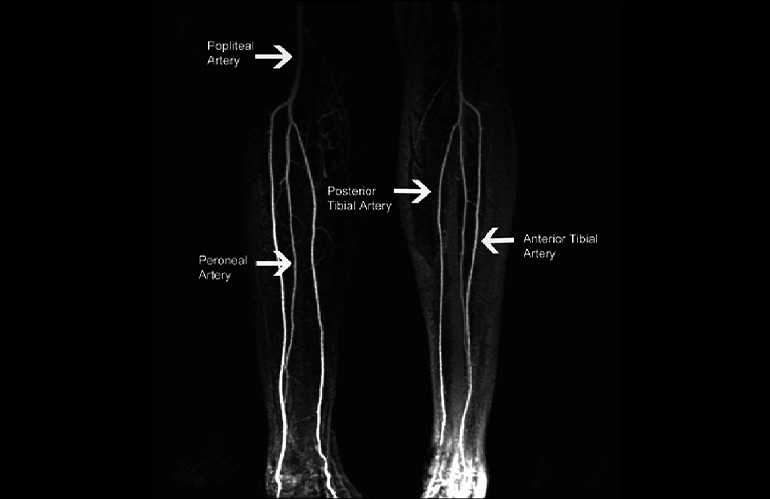
Conventional angiography, also known as catheter angiography, involves the insertion of a catheter into a blood vessel and the injection of a contrast dye to visualise blood flow through X-ray imaging.
Uses in Vascular Surgery
Procedure Overview
CT Angiography (CTA)
What is CT Angiography?
CT angiography combines computed tomography (CT) scanning and contrast dye to create detailed cross-sectional images of blood vessels.
Uses in Vascular Surgery
Procedure Overview
MR Angiography (MRA)
What is MR Angiography?
MR angiography uses magnetic resonance imaging (MRI) and a contrast agent to visualize blood vessels.
Uses in Vascular Surgery
Procedure Overview
Intravascular Ultrasound (IVUS)
What is Intravascular Ultrasound?
IVUS involves the use of a specialized ultrasound catheter inserted into the blood vessels to provide real-time images from inside the vessels.
Uses in Vascular Surgery
Procedure Overview
Role of Angiography in Vascular Surgery
Diagnosis
Interventions
Frequently Asked Questions (FAQs)
What is the difference between conventional angiography and CT angiography?
Conventional angiography is an invasive procedure involving catheter insertion, while CT angiography is non-invasive, using a CT scanner and intravenous contrast.
Is MR angiography safe for everyone?
How long does an angiography procedure take?
What are the risks associated with angiography?
Can I resume normal activities after an angiography?
Conclusion:
Angiography, in its various forms, is a vital tool in diagnosing and treating vascular conditions. Understanding the different types and their specific uses helps in making informed decisions about vascular health at One Stop Vascular Solutions