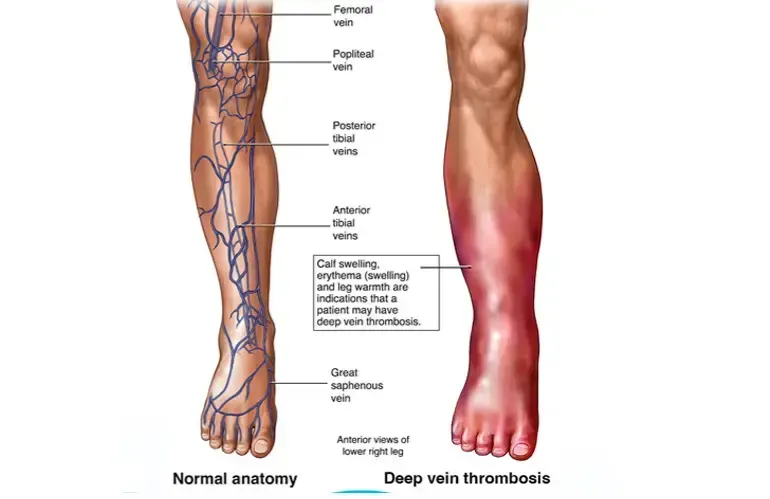
Deep Vein Thrombosis (DVT) is a condition in which a blood clot develops in a deep vein, most commonly in the legs. If not diagnosed and treated appropriately, DVT can lead to serious complications, including pulmonary embolism, where part of a clot travels to the lungs. Understanding how DVT develops, who is at risk, and the available treatment options can help people recognize warning signs and seek medical attention promptly.
At One Stop Vascular Solutions, our vascular specialists provide comprehensive evaluation and treatment for DVT using advanced diagnostic and treatment approaches tailored to each patient's condition.
What Is Deep Vein Thrombosis?
Deep Vein Thrombosis occurs when a blood clot forms in one of the deep veins of the body. Although DVT can occur in different parts of the body, it most commonly affects the deep veins of the lower limbs.
A DVT can partially or completely block normal blood flow through the affected vein. In some cases, part of the clot can break away and travel through the bloodstream to the lungs, causing a potentially life-threatening condition called pulmonary embolism (PE).
For this reason, symptoms suggestive of DVT should not be ignored.
How Does DVT Happen?
Blood clotting is a normal protective process that helps the body stop bleeding after an injury. Under normal circumstances, clot-forming and clot-preventing mechanisms remain balanced.
DVT can develop when this balance is disrupted. Three important factors are commonly associated with abnormal clot formation:
1. Stasis of Blood Flow
Slow or stagnant blood flow can increase the likelihood of clot formation. This may occur when a person remains inactive for an extended period.
Examples include:
- Long-distance flights or travel
- Prolonged bed rest
- Hospitalization
- Sitting for many hours
- Limited mobility after surgery or injury
When blood flow slows in the deep veins, particularly in the legs, the risk of thrombosis may increase.
2. Injury or Trauma to Blood Vessels
Damage to a blood vessel can activate the body's natural clotting response.
Blood vessel injury can occur following:
- Major surgery
- Fractures
- Trauma
- Orthopedic procedures
- Other conditions that damage blood vessels
The body's clotting system responds to the injury, but in some situations this can contribute to the formation of an unwanted clot.
3. Hypercoagulability
Hypercoagulability means that the blood has an increased tendency to clot.
It can be associated with:
- Certain inherited clotting disorders
- Cancer
- Some inflammatory conditions
- Hormonal medications
- Pregnancy
- Hormone replacement therapy
- Other medical conditions
Inherited conditions such as protein C or protein S deficiency can also increase susceptibility to abnormal clot formation.
Who Is at Risk for DVT?
DVT can affect people of different ages, but certain factors can increase the risk.
Prolonged Immobility
Sitting or lying down for long periods can slow blood circulation in the legs. Long-distance travel, hospitalization, and prolonged bed rest can therefore increase DVT risk.
Surgery and Trauma
Major surgery, particularly orthopedic surgery, and traumatic injuries can increase the likelihood of developing a blood clot.
Certain Medical Conditions
Some conditions may increase the risk of DVT, including:
- Cancer
- Heart disease
- Lung disease
- Inflammatory disorders
- Certain blood-clotting disorders
- Increasing Age
The risk of DVT generally increases with age, particularly when other risk factors are present.
Overweight and Obesity
Being overweight or obese may increase the risk of venous blood clots, particularly when combined with other risk factors such as limited mobility.
Smoking
Smoking is associated with several cardiovascular and vascular health problems and may contribute to an increased risk of blood clotting.
Genetic Factors
Some people inherit conditions that make their blood more likely to clot. Examples include certain deficiencies involving natural anticoagulant proteins such as protein C and protein S.
Hormonal Factors
Hormonal contraceptives and hormone replacement therapy may increase the risk of blood clots in some individuals, particularly when combined with other risk factors.
Pregnancy
Pregnancy and the period following childbirth are associated with an increased risk of venous thrombosis because of hormonal changes and changes in blood flow.
Varicose Veins
Severe varicose veins may be associated with venous stasis and can contribute to an increased risk of venous thromboembolism in certain individuals.
Previous DVT
People who have experienced DVT previously have an increased risk of developing another blood clot.
What Are the Symptoms of DVT?
DVT does not always cause obvious symptoms. When symptoms occur, they may include:
- Swelling in one leg
- Pain or tenderness in the affected leg
- Warmth over the affected area
- Redness or discoloration
- A feeling of heaviness in the leg
Symptoms can vary depending on the location and size of the clot.
If you develop sudden leg swelling or pain, particularly when you have known risk factors for DVT, seek medical evaluation promptly.
DVT and Pulmonary Embolism
A potentially serious complication of DVT occurs when part of the clot breaks away and travels to the lungs.
This is called a pulmonary embolism (PE).
Seek emergency medical attention if symptoms such as the following occur:
- Sudden shortness of breath
- Chest pain, particularly with breathing
- Rapid heartbeat
- Coughing, sometimes with blood
- Fainting or severe dizziness
These symptoms require urgent medical assessment.
Does DVT Need Treatment?
Yes. DVT generally requires medical evaluation and appropriate treatment.
Treatment aims to:
- Prevent the clot from becoming larger
- Reduce the risk of pulmonary embolism
- Reduce the risk of additional clots
- Manage symptoms
- Reduce the risk of long-term complications
The appropriate treatment depends on factors such as the location and extent of the clot, the patient's overall health, risk of bleeding, and other underlying medical conditions.
What Are the Treatments for DVT?
1. Anticoagulant Medicines
Anticoagulants, commonly known as blood thinners, are frequently used to prevent existing clots from growing and to reduce the formation of new clots.
Depending on the individual situation, doctors may use medications such as:
- Heparin or related injectable anticoagulants
- Warfarin
- Direct oral anticoagulants (DOACs), such as apixaban, rivaroxaban, dabigatran, or edoxaban where appropriate
A qualified healthcare professional should determine the choice and duration of anticoagulation.
2. Compression Therapy
Graduated compression stockings may be recommended for selected patients to help manage leg swelling and venous symptoms.
Their use should be based on medical advice, particularly when there are other circulation problems.
3. Catheter-Based and Clot-Removal Procedures
Some patients with extensive or severe DVT may require an interventional procedure rather than medication alone.
Depending on the clinical situation, vascular specialists may consider techniques designed to remove or reduce the clot burden.
These approaches may be considered particularly in selected patients with extensive thrombosis, severe symptoms, or a high risk of complications.
4. Inferior Vena Cava (IVC) Filter
An IVC filter is a small device placed inside the inferior vena cava to help prevent certain blood clots from reaching the lungs.
IVC filters are generally reserved for selected situations, such as when anticoagulation cannot be used or is not appropriate.
5. Thrombolytic Therapy
Thrombolytic medicines are designed to dissolve blood clots.
Because these medicines can increase the risk of serious bleeding, they are reserved for selected patients and specific clinical situations.
Lifestyle and Supportive Measures
Medical treatment is the most important part of managing DVT, but your healthcare provider may also recommend supportive measures.
Stay Physically Active
Once your doctor confirms that activity is appropriate, gradual movement can help maintain circulation.
Avoid prolonged periods of sitting or lying down unless medically necessary.
Elevate the Affected Leg
Leg elevation may help reduce swelling and discomfort in some patients.
Follow Your Medication Plan
If anticoagulants have been prescribed, take them exactly as directed. Do not stop or change the medication without consulting your doctor.
Attend Follow-Up Appointments
Regular follow-up allows your healthcare team to monitor your recovery, medication response, and potential complications.
How Can DVT Be Prevented?
Not every case of DVT can be prevented, but certain measures may help reduce risk.
Depending on your individual health situation:
- Avoid sitting continuously for long periods.
- Move your legs regularly during long journeys.
- Stay adequately hydrated during travel unless fluid restriction has been advised.
- Maintain a healthy body weight.
- Stay physically active.
- Avoid smoking.
- Follow your doctor's instructions after surgery.
- Discuss your individual blood-clot risk before major surgery or prolonged travel.
- Take prescribed preventive anticoagulants when recommended.
People with previous DVT or other significant risk factors should discuss an individualized prevention plan with their doctor.
Comprehensive DVT Treatment at One Stop Vascular Solutions
At One Stop Vascular Solutions, we understand that DVT requires timely evaluation and individualized treatment.
Our team includes vascular specialists and interventional radiology expertise to provide comprehensive assessment and treatment options for patients with venous thromboembolic conditions.
Why Choose One Stop Vascular Solutions?
Experienced Vascular Specialists
Our multidisciplinary team provides specialized care for vascular conditions, including DVT and other venous disorders.
Advanced Technology
Our facility is equipped with advanced vascular imaging and intervention capabilities. The center also has access to technologies such as AngioJet, IVUS, and Penumbra systems for selected patients requiring advanced endovascular management.
Patient-Centered Care
Treatment decisions are tailored to the patient's symptoms, clot characteristics, medical history, and overall health.
Comprehensive Vascular Care
From diagnosis and medical management to selected minimally invasive interventions and follow-up, patients can receive comprehensive vascular care under one roof.
When Should You See a Vascular Specialist?
Consider seeking medical evaluation if you experience unexplained:
- Swelling in one leg
- Leg pain or tenderness
- Sudden changes in leg color or warmth
- Symptoms following surgery or prolonged immobilization
- Symptoms after long-distance travel
- Recurrent blood-clot symptoms
If you experience sudden breathing difficulty, chest pain, fainting, or other symptoms suggestive of pulmonary embolism, seek emergency medical care immediately.
Conclusion
Deep Vein Thrombosis is a potentially serious vascular condition that should be diagnosed and treated promptly. Prolonged immobility, surgery, trauma, certain medical conditions, hormonal factors, pregnancy, obesity, smoking, genetic clotting disorders, and previous DVT can increase the risk. Treatment may include anticoagulant medication, compression therapy, and, in selected cases, catheter-based procedures or other interventions.
If you are experiencing symptoms that may indicate DVT or have significant risk factors, consult a qualified vascular specialist for appropriate evaluation.
Get Expert Deep Vein Thrombosis Treatment in Hyderabad
One Stop Vascular Solutions provides comprehensive vascular care in Hyderabad, with experienced specialists and advanced treatment facilities for selected DVT cases. If you are concerned about DVT symptoms or have been diagnosed with a blood clot, contact One Stop Vascular Solutions to discuss your condition with a vascular specialist.
Book a Consultation Today