Varicose veins are enlarged, twisted veins that commonly appear on the legs. They may look like blue or purple veins beneath the skin and can sometimes cause pain, heaviness, swelling, itching, or discomfort. While varicose veins are often considered a cosmetic concern, they can sometimes indicate an underlying problem with the veins and blood circulation.
At One Stop Vascular, patients can receive comprehensive evaluation and treatment for varicose veins from experienced vascular specialists. With appropriate diagnosis and treatment, many patients can manage their symptoms and improve their quality of life.
What Are Varicose Veins?
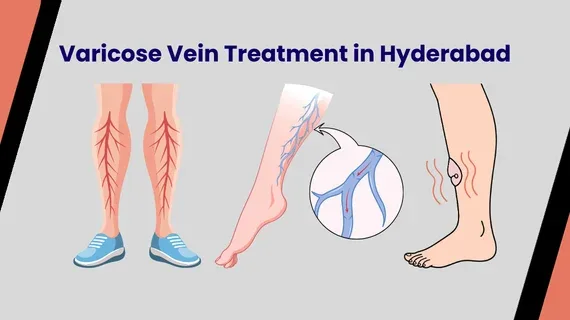
Varicose veins develop when the valves inside the veins do not function properly. Normally, these valves help blood flow from the legs back toward the heart. When the valves become weak or damaged, blood can flow backward and collect inside the veins.
This increased pressure can cause the veins to become enlarged, twisted, and visible beneath the skin.
Varicose veins most commonly affect the legs because the veins have to work against gravity to return blood to the heart.
Symptoms of Varicose Veins
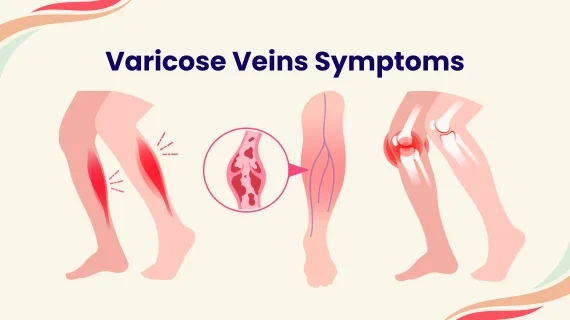
Some people with varicose veins may not experience significant symptoms. Others may develop discomfort that becomes more noticeable after standing or sitting for long periods.
Common symptoms include:
- Enlarged or twisted veins on the legs
- Blue, purple, or dark-colored veins
- Aching or throbbing in the legs
- Heaviness or tiredness in the legs
- Swelling around the ankles and feet
- Burning or itching around affected veins
- Muscle cramps, particularly at night
- Skin discoloration around the ankle
- Leg discomfort after prolonged standing
If symptoms are persistent or worsening, consulting a vascular specialist can help identify the underlying cause and determine whether treatment is required.
What Causes Varicose Veins?
Varicose veins are usually associated with weakened vein walls or faulty valves. Several factors can increase the risk of developing them.
Family History
People with a family history of varicose veins may have a higher risk of developing the condition.
Prolonged Standing or Sitting
Occupations that require standing or sitting for extended periods can affect normal blood circulation in the legs.
Age
As people get older, the valves inside the veins may become weaker, increasing the likelihood of venous problems.
Pregnancy
Pregnancy can increase pressure on the veins in the legs. Hormonal changes and increased blood volume may also contribute to the development of varicose veins.
Obesity
Excess body weight can place additional pressure on the veins and may contribute to venous circulation problems.
Lack of Physical Activity
Limited physical activity can reduce the effectiveness of the calf muscles in helping blood return toward the heart.
Who Is at Risk of Varicose Veins?
Several factors can increase the risk of developing varicose veins, including:
- Increasing age
- Family history of venous disease
- Pregnancy
- Being overweight or obese
- Prolonged standing
- Prolonged sitting
- Lack of regular physical activity
- Previous blood clots or venous problems
Having one or more risk factors does not necessarily mean that a person will develop varicose veins, but it may increase the likelihood.
When Should You See a Vascular Surgeon?
Not every varicose vein requires an invasive procedure. However, medical evaluation is recommended when persistent or troublesome symptoms accompany veins.
Consider consulting a vascular surgeon if you experience:
- Persistent leg pain or heaviness
- Significant swelling
- Skin discoloration
- Non-healing wounds around the ankle
- Bleeding from a varicose vein
- Increasingly prominent veins
- Recurrent symptoms despite lifestyle measures
A vascular specialist can evaluate the veins and determine whether treatment is appropriate.
How Are Varicose Veins Diagnosed?
A vascular specialist usually begins with a medical history and physical examination. The doctor may examine the affected veins while the patient is standing or sitting.
A duplex ultrasound may also be recommended. This non-invasive test can help assess blood flow through the veins and identify problems such as venous reflux.
The results of the examination and imaging help the vascular specialist determine the most appropriate management approach.
Varicose Vein Treatment Options
Treatment depends on the severity of the condition, symptoms, underlying venous problem, and individual patient factors.
Lifestyle Changes
For people with mild symptoms, lifestyle measures may help manage discomfort.
These may include:
- Regular walking and physical activity
- Avoiding prolonged standing or sitting
- Elevating the legs when appropriate
- Maintaining a healthy weight
- Following medical advice regarding compression therapy
Lifestyle measures may help control symptoms, but they do not necessarily eliminate existing varicose veins.
Compression Therapy
Compression stockings can help improve venous circulation and may reduce swelling and discomfort in some patients.
A vascular specialist can advise whether compression therapy is appropriate and what type may be suitable.
Sclerotherapy
Sclerotherapy involves injecting a specially selected solution into certain affected veins. The treatment causes the targeted vein to close, allowing blood to be redirected through healthier veins.
Its suitability depends on the type and size of the affected veins.
Endovenous Laser Treatment
Endovenous laser treatment is a minimally invasive technique that uses laser energy to close an affected vein.
It may be considered for selected patients with certain types of venous reflux. A vascular specialist can determine whether this treatment is appropriate after evaluation and ultrasound assessment.
Radiofrequency Ablation
Radiofrequency ablation uses controlled heat generated by radiofrequency energy to close the problematic vein.
Like other minimally invasive treatments, patient suitability depends on the underlying venous condition and clinical assessment.
Surgical Treatment
In some situations, surgical treatment may be considered, particularly when other treatment approaches are not suitable or when the condition is more complex.
The vascular surgeon will discuss the available options based on the patient's individual condition.
Benefits of Early Evaluation and Treatment
Seeking medical advice when symptoms develop can help identify underlying venous problems and determine appropriate treatment.
Depending on the condition, appropriate management may help:
- Reduce leg discomfort
- Manage swelling
- Improve daily comfort
- Address problematic veins
- Reduce the risk of complications associated with advanced venous disease
- Improve overall leg health
The appropriate treatment should always be determined following evaluation by a qualified vascular specialist.
Varicose Veins Treatment in Hyderabad
If you are looking for varicose veins treatment in Hyderabad, One Stop Vascular provides vascular evaluation and treatment for patients experiencing symptoms associated with venous disease.
The approach begins with understanding the patient's symptoms and medical history, followed by appropriate clinical assessment and diagnostic testing when required. Based on the findings, the vascular specialist can recommend a suitable treatment plan.
Patients from different parts of Hyderabad can seek professional evaluation for varicose veins, leg swelling, venous problems, and other vascular conditions.
Why Choose One Stop Vascular?
One Stop Vascular focuses on comprehensive vascular care, combining specialist evaluation, diagnostic assessment, and treatment planning.
Patients can benefit from:
- Evaluation by vascular specialists
- Appropriate diagnostic assessment
- Individualised treatment planning
- Management of different vascular conditions
- Modern treatment approaches where clinically appropriate
- Continued guidance throughout the treatment process
The goal is to provide patients with informed treatment options based on their individual vascular condition.
Conclusion:
Varicose veins are a common venous condition that can cause visible veins, leg heaviness, swelling, pain, and other symptoms. Although some cases may be managed with lifestyle measures, persistent or severe symptoms should be evaluated by a vascular specialist. If you are experiencing symptoms of varicose veins and are looking for varicose vein treatment in Hyderabad, professional evaluation can help identify the underlying venous problem and determine appropriate treatment options.
One Stop Vascular is committed to providing comprehensive vascular care with a patient-focused approach. Speak with a vascular specialist to understand your condition and explore suitable treatment options.
Book an appointment with One Stop Vascular for professional evaluation of varicose veins in Hyderabad.
Get Expert Varicose Vein Treatment in Hyderabad
Suffering from leg pain, swelling, heaviness, or visible veins? Get a professional evaluation and personalised treatment plan from experienced vascular specialists at One Stop Vascular.
Book Your Consultation with OneStop Vascular Today