Aortic Aneurysm Treatment in Hyderabad
Vascular FYI

Aortic Aneurysm Treatment in Hyderabad

Aortic aneurysms are serious vascular conditions that require expert diagnosis and treatment to prevent life-threatening complications. At One Stop Vascular Solutions in Hyderabad, we unite leading vascular specialists with advanced medical technology to offer personalized care for our patients. For individuals seeking aortic aneurysm treatment in Hyderabad, this comprehensive guide explores everything you need to know about aortic aneurysms, from their causes and symptoms to the innovative treatment options available in the city.

Understanding Aortic Aneurysms

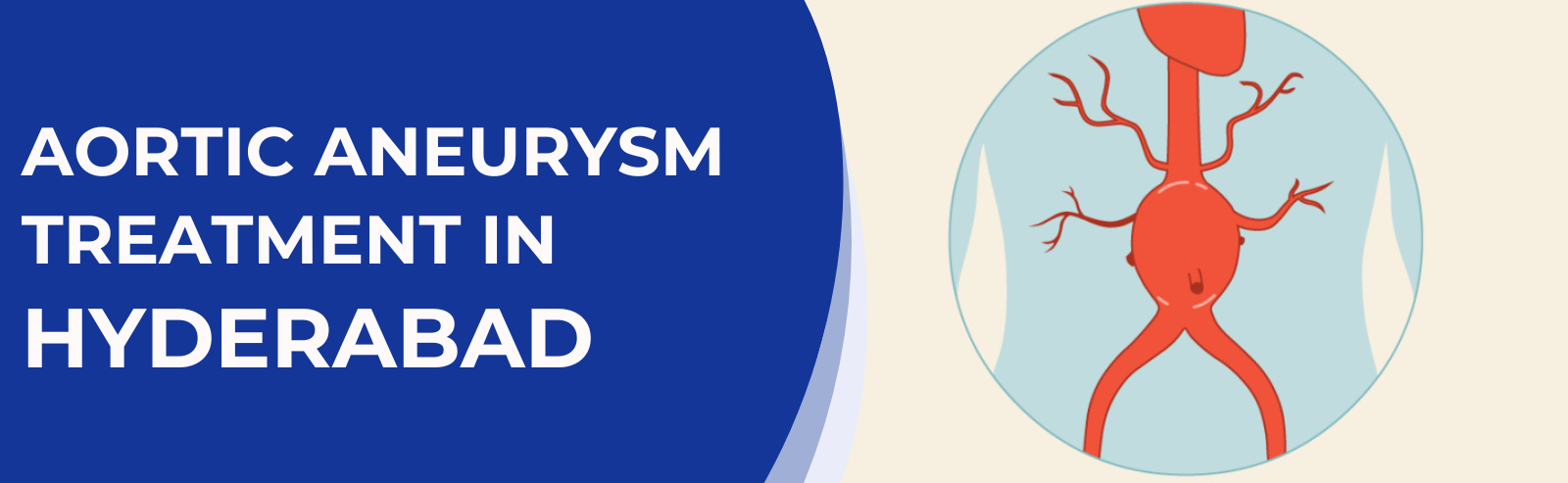
An aortic aneurysm is a weakening of the aorta, the largest blood vessel in the body, leading to an abnormal bulge or dilation. While aneurysms may remain asymptomatic for years, their potential to rupture makes early detection crucial. There are two main types:

Abdominal Aortic Aneurysms (AAA): Found in the lower part of the aorta, these are the most common type of aortic aneurysm. Often linked to risk factors like smoking, aging, and hypertension.
Thoracic Aortic Aneurysms (TAA): Occur in the upper chest region, near the heart. Typically associated with genetic disorders or trauma.

Without proper intervention, aortic aneurysms can grow over time, leading to rupture, which is often fatal. Timely treatment is essential to save lives and improve outcomes.

Causes and Risk Factors of Aortic Aneurysms

Understanding the factors contributing to aortic aneurysms can help individuals take preventive measures and seek medical attention early.

Atherosclerosis: Plaque buildup damages arterial walls, making them prone to aneurysm formation.
Connective Tissue Disorders: Conditions like Marfan syndrome and Ehlers-Danlos syndrome weaken the structural integrity of the aorta.
Infections: Rarely, infections such as syphilis or fungal infections can lead to aneurysms.
Trauma: Physical injury to the chest or abdomen may trigger aneurysm development.

Key Risk Factors: Age and Gender (men over 65 particularly vulnerable), Smoking, High Blood Pressure, Family History.

Signs and Symptoms of Aortic Aneurysms

Aortic aneurysms are often called “silent killers” because they may show no symptoms until they are large or rupture. However, some signs may indicate their presence:

For Abdominal Aortic Aneurysms (AAA)

Persistent back or abdominal pain.
A pulsating sensation near the navel.
Difficulty eating or feeling full after small meals due to pressure on nearby organs.

For Thoracic Aortic Aneurysms (TAA)

Sudden chest pain or discomfort.
Difficulty breathing or shortness of breath.
Hoarseness or difficulty swallowing caused by pressure on surrounding structures.

Diagnosing Aortic Aneurysms

At One Stop Vascular Solutions, we use advanced diagnostic techniques to confirm the presence, size, and location of aortic aneurysms. These include:

Ultrasound: A non-invasive and highly effective tool for detecting abdominal aneurysms.
CT Angiography: Provides detailed, cross-sectional images of the aorta to evaluate the aneurysm’s size and structure.
MRI: Offers high-resolution imaging of the thoracic region. Useful for patients who cannot tolerate radiation exposure.
Physical Examination: Large aneurysms in the abdomen may be detected through palpation during a routine check-up.

Treatment Options for Aortic Aneurysms in Hyderabad

At One Stop Vascular Solutions, we offer comprehensive aortic aneurysm treatment in Hyderabad, tailored to each patient’s condition, ensuring the best possible care.

1. Medical Management: For small, asymptomatic aneurysms, lifestyle changes and medications may be sufficient.
2. Endovascular Aneurysm Repair (EVAR): A minimally invasive technique where a stent graft is placed through small incisions in the groin to reinforce the weakened section of the aorta.
3. Open Surgical Repair: Recommended for larger or more complex aneurysms.
4. Hybrid Procedures: Combines endovascular and open techniques for patients with unique anatomical challenges.

Post-Treatment Care and Recovery

Regular Follow-Ups: Periodic imaging tests like CT scans or ultrasounds are necessary to monitor the treated area.
Medication Adherence: Continue taking prescribed drugs to control blood pressure and cholesterol.
Lifestyle Adjustments: A balanced diet rich in fruits, vegetables, and lean proteins aids in recovery.
Recognizing Warning Signs: Report symptoms such as fever, excessive pain, or changes at the incision site immediately.

Why Choose One Stop Vascular Solutions for Aortic Aneurysm Treatment in Hyderabad?

Highly Skilled Team: Our vascular surgeons have years of experience treating complex aneurysms.
Cutting-Edge Technology: We use advanced imaging and surgical techniques for accurate diagnosis and successful treatment.
Comprehensive Care: From initial consultation to post-surgical follow-up, we provide holistic support.
Convenient Location: Situated in Hyderabad, we’re accessible to patients across the region.

Preventing Aortic Aneurysms: Actionable Tips

Quit Smoking: Tobacco use is one of the leading causes of aneurysms.
Maintain Healthy Blood Pressure: Regular check-ups and antihypertensive medications can help.
Eat a Balanced Diet: Reduce salt, sugar, and saturated fats while increasing fiber intake.
Stay Active: Regular moderate exercise strengthens cardiovascular health.
Screening: If you have a family history or are over 60, schedule routine screenings.
GOT QUESTIONS?

Frequently Asked Questions

Are aortic aneurysm treatments painful?

Minimally invasive procedures like EVAR are typically less painful compared to open surgeries, with faster recovery times.

How soon can I return to work after treatment?

What happens if an aortic aneurysm is left untreated?

Book Your Appointment

Don’t delay your care. For expert aortic aneurysm treatment in Hyderabad, contact One Stop Vascular Solutions today. Visit our website or call us to schedule your consultation. Your health is our priority!