Varicose Veins: Causes, Symptoms & When to See a Vascular Surgeon
Varicose veins are a common vein condition that affects millions of people, especially in the legs. While many people see them as a cosmetic issue, varicose veins can cause discomfort, pain, and sometimes serious health complications if left untreated. Understanding varicose veins symptoms, their causes, and knowing when to see a vascular surgeon can help you take timely action and protect your long-term vein health.
What Are Varicose Veins?
Varicose veins are enlarged, twisted veins that usually appear blue or dark purple and are most commonly seen on the legs and feet. They develop when the valves in the veins fail to function correctly.
Usually, veins carry blood from the legs back to the heart. Tiny one-way valves in the veins prevent blood from flowing backward. When these valves weaken or become damaged, blood can pool in the veins, causing them to stretch, enlarge, and become visible on the skin’s surface.
Although varicose veins can occur anywhere, they are most common in the legs because standing and walking increase pressure on the veins in the lower body.
Common Varicose Veins Symptoms
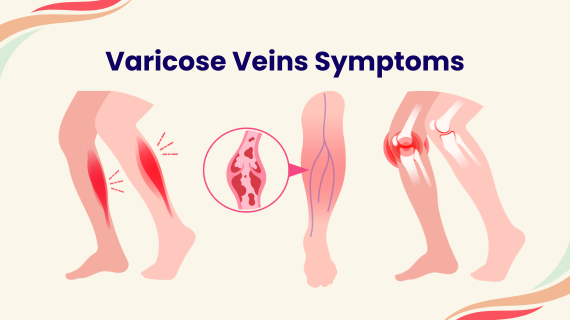
The signs of varicose veins can range from mild to severe. Some people may have visible veins without pain, while others experience significant discomfort.
Early Varicose Veins Symptoms
In the early stages, symptoms may be mild and easy to ignore:
- Visible blue or purple veins on the legs
- A feeling of heaviness or tiredness in the legs
- Mild aching or discomfort after long periods of standing
- Burning, throbbing, or itching around the veins
- Swelling in the feet or ankles, especially in the evening
Advanced Varicose Veins Symptoms
As the condition progresses, symptoms may become more noticeable and uncomfortable:
- Persistent leg pain or cramping
- Severe swelling of the legs and ankles
- Skin discolouration around the affected area
- Dry, itchy, or irritated skin near the veins
- Hard, tender veins
- Slow-healing wounds or ulcers near the ankles
These advanced varicose vein symptoms indicate that the condition may be affecting blood circulation more seriously.
Consult a Vascular Surgeon in Hyderabad
Causes and Risk Factors of Varicose Veins
Understanding the causes of varicose veins can help identify who is at higher risk.
Common Causes
- Valve dysfunction: Weak or damaged valves allow blood to flow backward.
- Increased vein pressure: Prolonged standing or sitting increases pressure in leg veins.
- Poor blood circulation: Reduced blood flow can strain the veins.
Risk Factors
Several factors increase the likelihood of developing varicose veins:
- Age: Vein elasticity and valve function decrease over time.
- Gender: Women are more likely to develop varicose veins due to hormonal changes.
- Pregnancy: Increased blood volume and pressure on pelvic veins can affect leg veins.
- Family history: Genetics play a significant role.
- Obesity: Extra body weight increases pressure on the veins.
- Sedentary lifestyle: Lack of movement affects healthy blood flow.Occupations requiring long standing: Teachers, shop workers, and healthcare professionals are at higher risk.
When Should You See a Vascular Surgeon?
Many people delay medical care, relying on home remedies or assuming varicose veins are harmless. However, knowing when to see a vascular surgeon is crucial.
You should seek professional evaluation if:
- Leg pain or swelling interferes with daily activities
- Symptoms worsen over time instead of improving
- Skin around the veins becomes dark, complex, or itchy
- You notice open sores or ulcers near the ankles
- There is sudden swelling, redness, or warmth in the leg
- Home remedies and lifestyle changes do not provide relief
These signs may indicate complications such as chronic venous insufficiency, skin ulcers, or blood clots. A timely consultation with a vascular surgeon for varicose veins ensures an accurate diagnosis and appropriate care.
How Varicose Veins Are Treated Today
Modern medicine offers safe and effective treatment options tailored to the severity of the condition. A vascular surgeon will recommend treatment after a detailed clinical examination and ultrasound evaluation.
Non-Surgical Management
For early-stage varicose veins, treatment may include:
- Compression stockings to improve blood flow
- Lifestyle changes, such as regular walking and weight management
- Leg elevation to reduce swelling
Minimally Invasive Treatments
For more advanced cases, current treatments focus on minimally invasive techniques:
- Endovenous laser or radiofrequency ablation: Uses heat to close faulty veins
- Sclerotherapy: Injection of a solution to seal small varicose veins
- Ultrasound-guided procedures: Target damaged veins precisely with minimal discomfort
These treatments are typically performed as outpatient procedures, involve minimal downtime, and provide long-lasting relief when done under expert supervision.
Notably, professional treatment addresses the root cause of the problem rather than just improving appearance.
Medically reviewed by Dr P. C. Gupta, Vascular Surgeon
If you are experiencing persistent or worsening varicose veins symptoms, don’t rely solely on home remedies. A timely consultation with a qualified vascular surgeon can help prevent complications and restore comfort and mobility.
Leave a Reply