Varicose veins are more than just a cosmetic concern. For many people, they can cause pain, swelling, skin changes, and even serious complications if left untreated. While mild vein issues can sometimes be managed with lifestyle changes, there comes a point when expert medical care is essential. Knowing when to see a vascular surgeon for varicose veins can help you prevent complications, improve your quality of life, and achieve long-lasting relief.
In this comprehensive guide, we’ll explain what varicose veins are, why they develop, the warning signs that indicate you need specialist care, and how a vascular surgeon for varicose veins can help you with advanced, minimally invasive treatments.
What Are Varicose Veins?
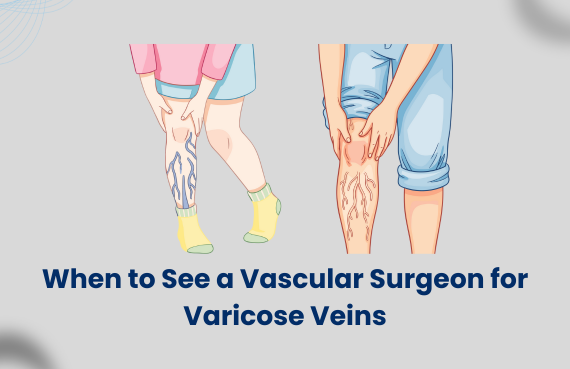
Varicose veins are enlarged, twisted veins that commonly appear on the legs and feet. They occur when the valves in the veins become weak or damaged, allowing blood to pool rather than flow back to the heart efficiently.
Common Characteristics of Varicose Veins
- Bulging, rope-like veins are visible under the skin
- Blue, purple, or dark green discolouration
- Swelling in the legs or ankles
- Aching, throbbing, or heaviness in the legs
Although they may seem harmless at first, varicose veins are a sign of underlying venous disease that can worsen over time.
Why Do Varicose Veins Develop?
Several factors increase the risk of developing varicose veins:
- Prolonged standing or sitting (common in teachers, office workers, factory workers)
- Age, as vein elasticity decreases over time
- Genetics, if varicose veins run in your family
- Pregnancy, due to hormonal changes and increased blood volume
- Obesity, which puts added pressure on leg veins
- Hormonal changes, especially in women
While compression stockings and lifestyle adjustments may help early symptoms, they do not treat the root cause. This is where a vascular specialist becomes crucial.
When Should You See a Vascular Surgeon for Varicose Veins?
Many people delay seeking treatment, assuming varicose veins are only a cosmetic issue. However, early intervention by a vascular surgeon for varicose veins can prevent progression and complications. Below are key signs that indicate it’s time to consult a specialist.
1. Persistent Leg Pain or Discomfort
If you experience aching, throbbing, burning, or heaviness in your legs that worsens after standing or sitting for long periods, it’s a clear signal that your veins are not functioning correctly. Pain that interferes with daily activities should never be ignored.
2. Swelling in the Legs and Ankles
Occasional swelling may be normal, but chronic or worsening swelling can indicate venous insufficiency. A vascular surgeon can assess blood flow and determine whether your varicose veins are the underlying cause.
3. Skin Changes Around the Veins
Changes in the skin near varicose veins are a red flag. Watch out for:
- Darkening or discolouration of the skin
- Dry, itchy, or inflamed patches
- Thickened or hardened skin
These symptoms may indicate advanced vein disease and require immediate evaluation.
4. Non-Healing Sores or Venous Ulcers
One of the most serious complications of untreated varicose veins is venous ulcers—open sores that usually develop near the ankles. If you notice a wound that heals slowly or not at all, you should see a vascular surgeon without delay.
5. Bleeding from Varicose Veins
Varicose veins close to the skin’s surface can sometimes bleed after minor trauma. Even a small injury can lead to significant bleeding, which is a medical concern that requires specialist care.
6. Recurrent Symptoms Despite Home Treatments
If you’ve tried compression stockings, leg elevation, exercise, or weight loss but still experience symptoms, it’s time to move beyond conservative measures. A vascular surgeon can offer definitive treatments that address the root cause.
7. Cosmetic Concerns Affecting Confidence
While medical reasons are primary, cosmetic concerns are also valid. Many people feel self-conscious about wearing shorts, skirts, or traditional attire because of visible varicose veins. Modern vein treatments can significantly improve appearance along with symptoms.
Why Choose a Vascular Surgeon for Varicose Veins?
A vascular surgeon is a specialist trained to diagnose and treat diseases of the blood vessels, including veins and arteries. When it comes to varicose veins, their expertise ensures accurate diagnosis and effective treatment.
Expertise in Accurate Diagnosis
A vascular surgeon uses advanced diagnostic tools, such as Doppler ultrasound, to evaluate blood flow and identify faulty veins. This precise assessment helps tailor treatment to your specific condition.
Comprehensive Treatment Options
Unlike general practitioners or cosmetic clinics, a vascular surgeon offers a full spectrum of evidence-based treatments, from conservative management to advanced procedures.
Focus on Long-Term Results
The goal is not just to remove visible veins but to correct underlying venous reflux, reducing the risk of recurrence and complications.
Treatment Options Offered by a Vascular Surgeon
Thanks to medical advancements, most varicose vein treatments today are minimally invasive, safe, and effective.
1. Endovenous Laser Treatment (EVLT)
EVLT uses laser energy to seal faulty veins from the inside. It is performed under local anesthesia and allows patients to return to normal activities quickly.
2. Radiofrequency Ablation (RFA)
Similar to laser treatment, RFA uses radiofrequency energy to close damaged veins. It is associated with minimal discomfort and excellent long-term outcomes.
3. Sclerotherapy
This involves injecting a special solution into smaller varicose or spider veins, causing them to collapse and fade over time. It’s commonly used for cosmetic and mild symptomatic veins.
4. Ambulatory Phlebectomy
In this procedure, the surgeon removes superficial varicose veins through tiny incisions. It is often combined with other treatments for optimal results.
5. Conservative Management (When Appropriate)
In early or mild cases, a vascular surgeon may recommend compression therapy, exercise, and lifestyle modifications while monitoring disease progression.
What to Expect During Your First Consultation
Visiting a vascular surgeon for varicose veins is straightforward and patient-friendly.
- Medical history review, including symptoms and family history
- Physical examination of the legs
- Ultrasound scan to assess vein function
- Personalised treatment plan based on your condition and goals
This thorough evaluation ensures you receive the most appropriate and effective care.
Benefits of Early Treatment
Seeking timely care from a vascular surgeon offers multiple advantages:
- Relief from pain, swelling, and heaviness
- Prevention of serious complications like ulcers and blood clots
- Improved mobility and quality of life
- Better cosmetic appearance
- Reduced risk of recurrence with proper treatment
Early intervention is not just about comfort—it’s about long-term vascular health.
Are Varicose Veins a Medical Emergency?
- Most varicose veins are not an emergency, but certain situations require urgent attention:
- Sudden severe leg pain with swelling
- Signs of infection (redness, warmth, fever)
- Uncontrolled bleeding from a vein
In such cases, immediate medical evaluation is critical.
Conclusion:
Varicose veins are a progressive condition, and delaying treatment can lead to avoidable complications. If you’re experiencing symptoms, discomfort, or cosmetic concerns, consulting a vascular surgeon for varicose veins is the most effective way to get lasting relief.
Modern treatments are safe, minimally invasive, and tailored to your needs. By seeking expert care early, you can protect your vascular health, restore confidence, and enjoy an active, pain-free lifestyle.
Leave a Reply