When it comes to visible vein problems, many people confuse varicose veins and spider veins. While both conditions affect the veins and often appear on the legs, they differ significantly in appearance, severity, symptoms, and treatment needs. Understanding varicose veins vs spider veins is essential if you’re considering medical or cosmetic treatment—or if you’re worried about your vascular health.
In this comprehensive guide, we’ll explore the differences between varicose veins and spider veins, their causes, symptoms, risk factors, and the most effective treatment options available today. If you’re experiencing vein issues, this article will help you decide when it’s time to seek professional care.
What Are Varicose Veins?
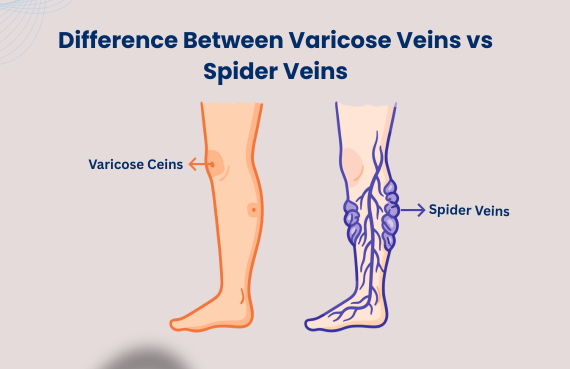
Varicose veins are enlarged, twisted veins that typically appear dark blue or purple and bulge above the surface of the skin. They most commonly develop in the legs and feet due to increased pressure on the veins in the lower body.
How Varicose Veins Develop
Veins have one-way valves that prevent blood from flowing backward. When these valves weaken or become damaged, blood pools in the vein, causing it to stretch and enlarge over time. This results in the characteristic bulging appearance of varicose veins.
Common Symptoms of Varicose Veins
Varicose veins are more than a cosmetic concern. Many people experience uncomfortable and sometimes painful symptoms, including:
- Aching, throbbing, or heaviness in the legs
- Swelling in the ankles and feet
- Burning or itching sensations around the veins
- Muscle cramps, especially at night
- Skin discoloration or ulcers in advanced cases
If left untreated, varicose veins can lead to complications such as blood clots, chronic venous insufficiency, and skin ulcers.
What Are Spider Veins?
Spider veins are smaller, thin veins that appear close to the skin’s surface. They are usually red, blue, or purple and form web-like or branch-like patterns, resembling a spider’s web—hence the name.
- Characteristics of Spider Veins
- Smaller and flatter than varicose veins
- Usually appear on the legs and face
- Rarely cause pain or serious symptom
- Primarily considered a cosmetic issue
Although spider veins generally don’t indicate serious medical problems, they can sometimes be an early sign of underlying venous insufficiency.
Varicose Veins vs Spider Veins: Key Differences
Understanding the distinction between varicose veins vs spider veins can help you determine the right course of action.
| Feature | Varicose Veins | Spider Veins |
|---|---|---|
| Size | Large, swollen, twisted | Small, thin, web-like |
| Appearance | Bulging, dark blue or purple | Red, blue, or purple lines |
| Location | Mainly legs and feet | Legs and face |
| Symptoms | Pain, swelling, heaviness | Usually painless |
| Health Risk | Can cause complications | Mostly cosmetic |
| Treatment Urgency | Often medically necessary | Usually optional |
Causes and Risk Factors
Both varicose veins and spider veins share similar causes, but the severity differs.
Common Causes
- Weak or damaged vein valves
Increased pressure in leg veins
Poor blood circulation
Risk Factors
You may be more likely to develop vein issues if you:
- Have a family history of vein disease
- Spend long hours standing or sitting
- Are pregnant or have multiple pregnancies
- Are overweight or obese
- Experience hormonal changes (menopause, birth control pills)
- Are over the age of 40
Are Varicose Veins or Spider Veins Dangerous?
- One of the most common questions patients ask is whether vein conditions are dangerous.
- Spider veins are generally harmless and pose minimal health risks.
- Varicose veins, however, can progress if left untreated and may lead to serious complications such as:
1. Blood clots (deep vein thrombosis)
2. Venous ulcers
3. Skin infections
4. Chronic pain and swelling
This is why medical evaluation is strongly recommended for varicose veins, even if symptoms seem mild at first.
Diagnosis: When Should You See a Vein Specialist?
If you notice persistent leg pain, swelling, or visible bulging veins, it’s time to consult a vein specialist. Diagnosis often includes:
- Physical examination
- Duplex ultrasound to assess blood flow and valve function
- Early diagnosis can prevent progression and improve treatment outcomes.
- Treatment Options for Varicose Veins vs Spider Veins
Modern medicine offers several minimally invasive and highly effective treatments for both conditions.
Treatments for Spider Veins
Spider veins are usually treated for cosmetic reasons. Common options include:
1. Sclerotherapy
A solution is injected into the vein, causing it to collapse and fade over time. This is the most popular treatment for spider veins.
2. Laser Therapy
Laser energy targets and closes small veins without needles or incisions.
Treatments for Varicose Veins
Because varicose veins can cause medical complications, treatment focuses on improving circulation and relieving symptoms.
1. Endovenous Laser Treatment (EVLT)
A laser fiber is inserted into the vein to seal it shut using heat energy.
2. Radiofrequency Ablation (RFA)
Similar to EVLT, but uses radiofrequency energy instead of laser heat.
3. VenaSeal
A medical adhesive closes the affected vein without heat or anesthesia.
4. Compression Therapy
Compression stockings help manage symptoms but do not permanently remove varicose veins.
Recovery and Results
Most modern vein treatments are:
- Minimally invasive
- Performed as outpatient procedures
- Require little to no downtime
Patients often return to normal activities within 24–48 hours, with visible improvements appearing over weeks to months.
Can Lifestyle Changes Prevent Vein Problems?
While not all vein conditions are preventable, certain habits can reduce your risk:
- Exercise regularly to improve circulation
- Maintain a healthy weight
- Avoid prolonged standing or sitting
- Elevate your legs when resting
- Wear compression stockings if recommended
Varicose Veins vs Spider Veins: Which Treatment Is Right for You?
Choosing the right treatment depends on:
- Severity of symptoms
- Size and location of veins
- Underlying venous issues
- Cosmetic vs medical concerns
A personalized consultation with a vein specialist is the best way to determine the most effective solution.
Final Thoughts:
Understanding varicose veins vs spider veins is the first step toward making an informed decision about your vein health. While spider veins are mostly a cosmetic issue, varicose veins can significantly impact your comfort, mobility, and overall well-being if left untreated.
If you’re experiencing symptoms or are unhappy with the appearance of your veins, don’t wait. Modern vein treatments are safe, effective, and minimally invasive.
Leave a Reply